Tour Divide Planning Guide: 7 Steps to Plan Your Adventure

Planning for the Tour Divide can seem overwhelming; however, this Tour Divide Planning Guide breaks the process into 7 essential steps to get you started. Whether you’re new to bikepacking or a seasoned rider, this guide simplifies planning and connects you to essential resources like gear lists, resupply tips, and transportation advice.

Effective planning is essential and can significantly impact the outcome of your race or tour. The more preparation you do beforehand and the more information you have during the race, the better off you’ll be. Bottom line: DO YOUR HOMEWORK!

“I’ve compiled everything I learned from the Tour Divide, CTR, and AZT into this 7-Step Planning Guide for racing or touring the Tour Divide. For more detailed tools, explore our comprehensive Tour Divide Planning Aids and Tour Divide Resupply Guide. I hope this guide, along with the accompanying posts and external links, provides you with almost all the information you need.

While I’ve done a lot of the legwork for you, it’s important to do your own in-depth research to further improve your chances and the outcome of your trip. If I missed anything, please let me know, and I’ll add or correct it. Thanks!

DISCLAIMER: As an affiliate partner, One of Seven Project earns a commission for purchases made through any product, brand logo links, photos, or banner ads on this page. Thanks for your support!

Save big and support The Project at the same time! Check out our Affiliate Deals page for exclusive offers on top brands. Every purchase fuels our mission to provide you with the best guides and resources for your adventures. Bookmark it now and shop smarter—deals update regularly!

STEP 1: RACE OR TOUR

Tour Divide Planning Guide: Should You Race or Tour?

Deciding whether to race or tour the Tour Divide is a crucial first step in your preparation. Furthermore, this Tour Divide Planning Guide provides insights into both approaches to help you make an informed decision.

RACING PROS:
  • Challenge and Achievement: Racing the Tour Divide offers a significant physical and mental challenge, providing a sense of accomplishment upon completion.
  • Competitive Spirit: For those who enjoy competition, racing can be an exciting way to push personal limits and compete against others.
  • Community and Camaraderie: Racing often fosters a strong sense of community among participants, with opportunities to meet like-minded individuals and form lasting connections.
  • Focus on Efficiency: Racing encourages efficiency in all aspects of bikepacking, from route planning to gear selection, honing skills that can be valuable for future adventures.
  • Personal Growth: Overcoming the challenges of racing can lead to personal growth, increased confidence, and a better understanding of one’s capabilities.
TOURING PROS:
  • Flexible Pace: Touring allows riders to set their own pace, taking time to enjoy the scenery, rest when needed, and explore interesting areas along the route.
  • Lower Physical Demand: While still challenging, touring at a more relaxed pace reduces the physical and mental strain compared to racing.
  • Enhanced Experience: Touring provides more opportunities to interact with local communities, appreciate the natural beauty, and immerse oneself in the journey.
  • Safety and Preparedness: A slower pace allows for better management of risks, more thorough resupply planning, and increased safety.
  • Customization: Riders can customize their itinerary, making detours to visit attractions or adjust their route based on personal preferences and conditions.
RACING CONS:
  • Intense Physical Demand: Racing the Tour Divide is extremely physically demanding, requiring peak fitness and endurance.
  • Time Pressure: The race format imposes time constraints, which can add stress and limit opportunities to enjoy the scenery and explore interesting locations.
  • Higher Risk: The fast pace and push for efficiency can increase the risk of injury, mechanical issues, and other hazards.
  • Limited Resupply Options: Racing may limit the ability to thoroughly plan and utilize resupply points, potentially leading to food and water shortages.
  • Less Flexibility: The need to adhere to a strict schedule leaves little room for unexpected delays or changes in plans.
TOURING CONS:
  • Longer Duration: Touring takes more time, which may be a constraint for those with limited availability.
  • Logistical Complexity: Extended tours require more comprehensive planning for accommodations, resupplies, and potential route changes.
  • Increased Costs: The longer duration and potential for more frequent stops can increase the overall cost of the trip.
  • Possible Isolation: Depending on the chosen pace and stops, touring may result in less interaction with other riders and the bikepacking community.
  • Maintenance and Wear: The longer time on the trail increases the likelihood of encountering bike maintenance issues and wear on gear.
  • Slightly higher risk: There are less people and support if you get injured or have a bike issues.

Final Thoughts

Both racing and touring the Tour Divide offer unique experiences and challenges, and the best choice depends on individual preferences, goals, and capabilities.

Stay Safe & Connected on Your Bikepacking Journey:

Planning for emergencies means having the right communication tools. For added peace of mind, consider setting up a Spot Tracker for your international bikepacking journey. Check out our Spot Tracker Setup Guide to make sure you’re prepared for any situation, even in remote areas.

STEP 2: PICK A DATE

Tour Divide Planning Guide: Choose Your Best Start Date

Choosing the right start date for your Tour Divide adventure is more than just marking a day on the calendar; instead, it’s about aligning with weather conditions and your goals. Don’t forget to consider Tour Divide Transportation Guide tips for logistical support.

While the second Friday in June marks the official Grand Depart for racers, those planning to tour have a broader window of opportunity. Therefore, understanding weather patterns and your personal preferences is essential to ensure a safe and enjoyable journey.

RACE

The race always starts on the second Friday in June.

  • 2nd Friday of June (Banff, AB – YMCA)
TOUR

If racing isn’t your style and you prefer more flexibility, touring the Tour Divide might be the perfect choice for you. Typically, the ideal weather window for the Tour Divide extends from June to mid-October. However, snow can appear at any time along the route. Therefore, it’s crucial to prepare for all conditions, no matter when you embark on your journey.

STEP 3: WHICH DIRECTION TO GO?

Tour Divide Planning Guide: Decide Between Northbound or Southbound

Deciding the direction of your ride is a crucial part of Tour Divide planning. Whether you choose to ride southbound (SOBO) or northbound (NOBO), each option comes with its own set of advantages and challenges. Therefore, understanding the nuances of both directions can help you make an informed choice.

NORTH TO SOUTH (Canada to Mexico):

PROS:
  • Warmer Weather Progression: Starting in Banff in June allows riders to follow the warming weather as they move south, avoiding the early spring chill.
  • Popular Direction: SOBO is the traditional direction for the Tour Divide race, providing a sense of camaraderie and community with other riders.
  • Logistics: Easier to start with the Tour Divide Grand Depart, which offers a set start date and community support.
CONS:
  • Physical Demands: The start is harder in the north vs starting from the south.
  • Weather: Starting in the north can mean snow and early season rains making progress tough.
  • Crowded Start: The start in Banff can be crowded with many riders beginning at the same time, leading to congestion.
  • Heat in the South: Reaching the southern sections in summer can result in extreme heat, particularly in New Mexico.

SOUTH TO NORTH (Mexico to Canada)

PROS:
  • Physical Demands: Starting in the south is an easier start.
  • Logistics: More convenient finish (getting to airport).
  • Cooler Weather in the South: Starting in the warmer south and progressing northwards allows riders to enjoy cooler temperatures in New Mexico and Colorado.
  • Less Congestion: Fewer riders travel NOBO, leading to a more solitary and peaceful experience.
  • Avoid Heat: Avoiding the extreme summer heat of the southern sections by starting there earlier in the season.
CONS:
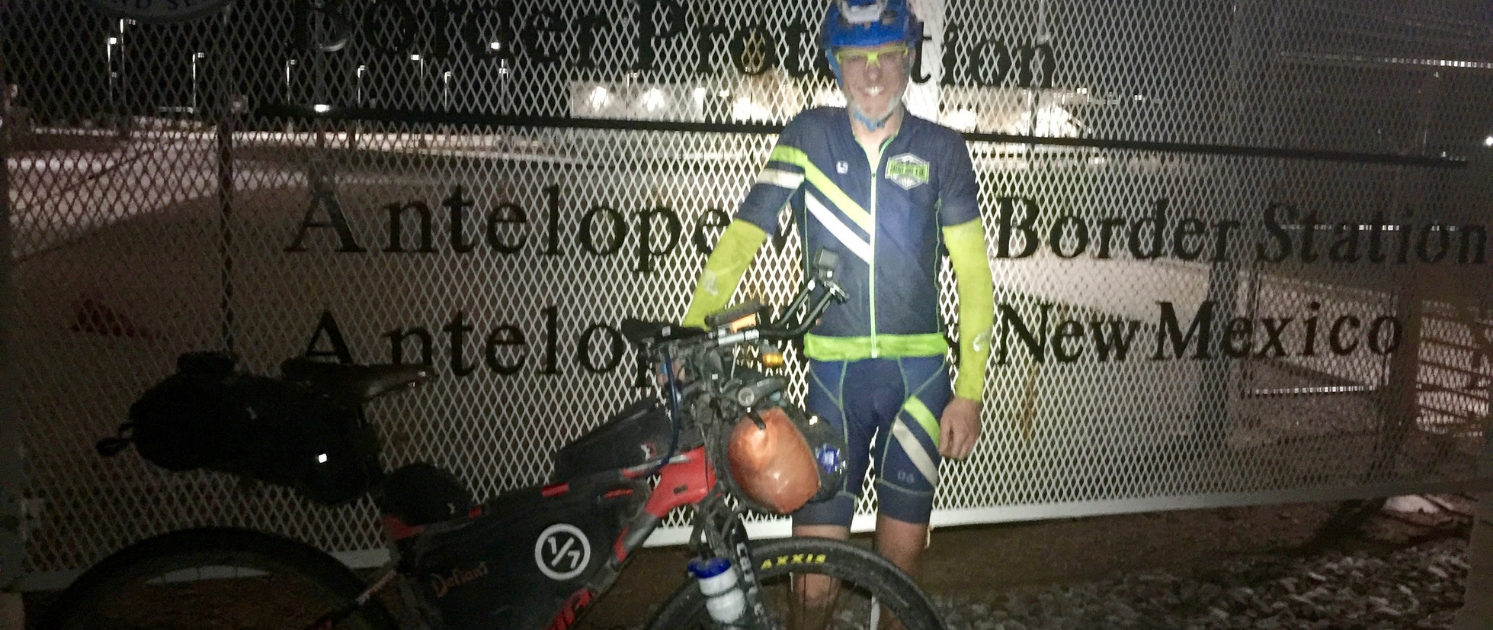
  • Logistical Complexity: Starting in Antelope Wells, NM, is more remote and less convenient for travel logistics compared to Banff.
  • Physical Demands: Finish in the north means more climbing at the end of your trip.
  • Less Congestion: Fewer riders travel NOBO, can mean long days and extended loneliness.

Final Thoughts

Choosing the direction for your Tour Divide journey depends on your preferences for weather, terrain, crowd levels, and logistical convenience. Each direction offers unique challenges and rewards, so consider these factors carefully when planning your adventure.

Tour Divide Planning Aids

Welcome to The Project’s Tour Divide Planning Aids, designed to bridge the gap left by the lack of high-quality planning tools within bikepacking. As a Triple Crown thru-hiker, I’m accustomed to comprehensive planning resources, and I noticed that bikepacking needed similar quality tools. That’s why I developed these resources to make your Tour Divide adventure as smooth and well-prepared as possible.
Our planning aids include four distinct styles to help you plan your ride:

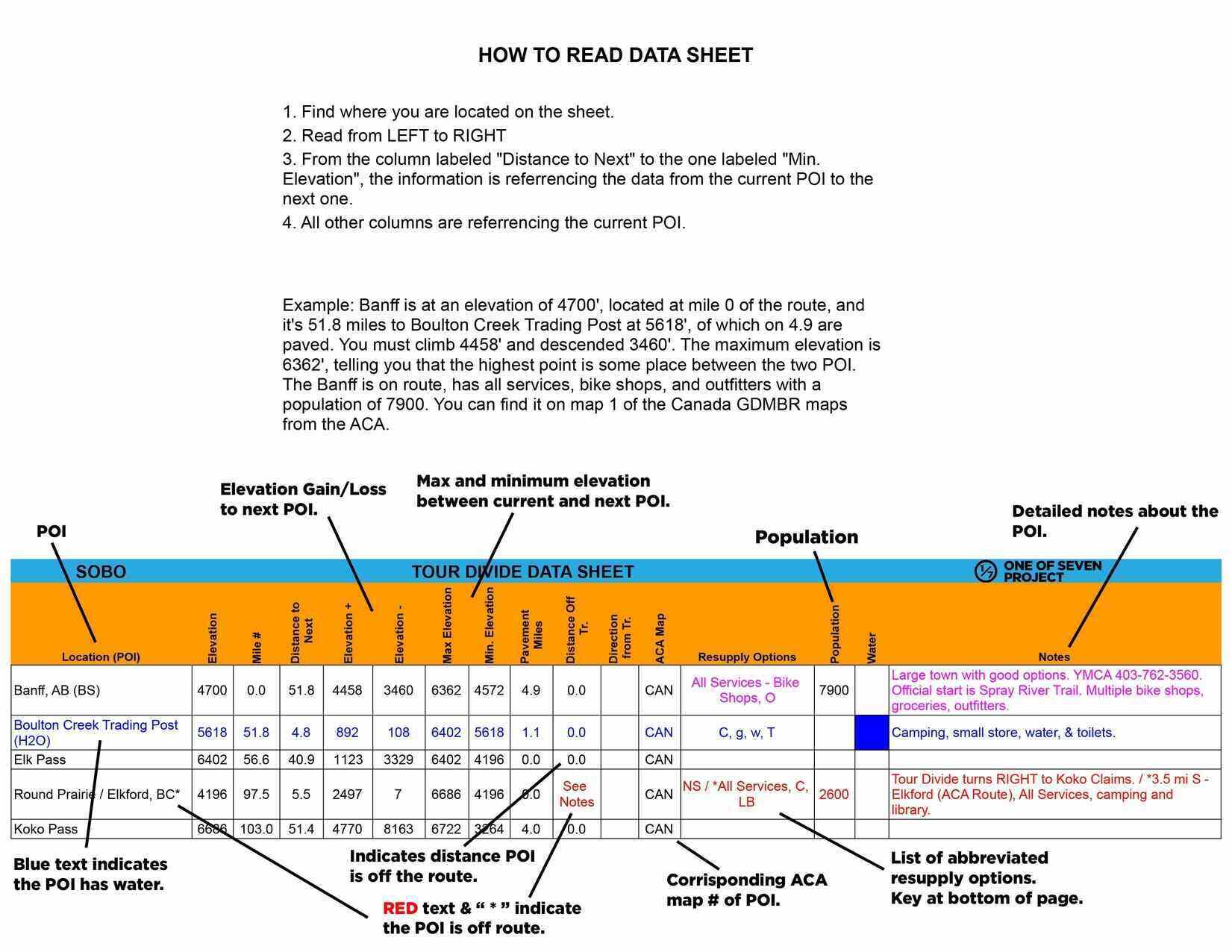
  • The Data Sheet: Offers the most detailed information, including distance, elevation +/-, resupply options, notes and more for key POI.
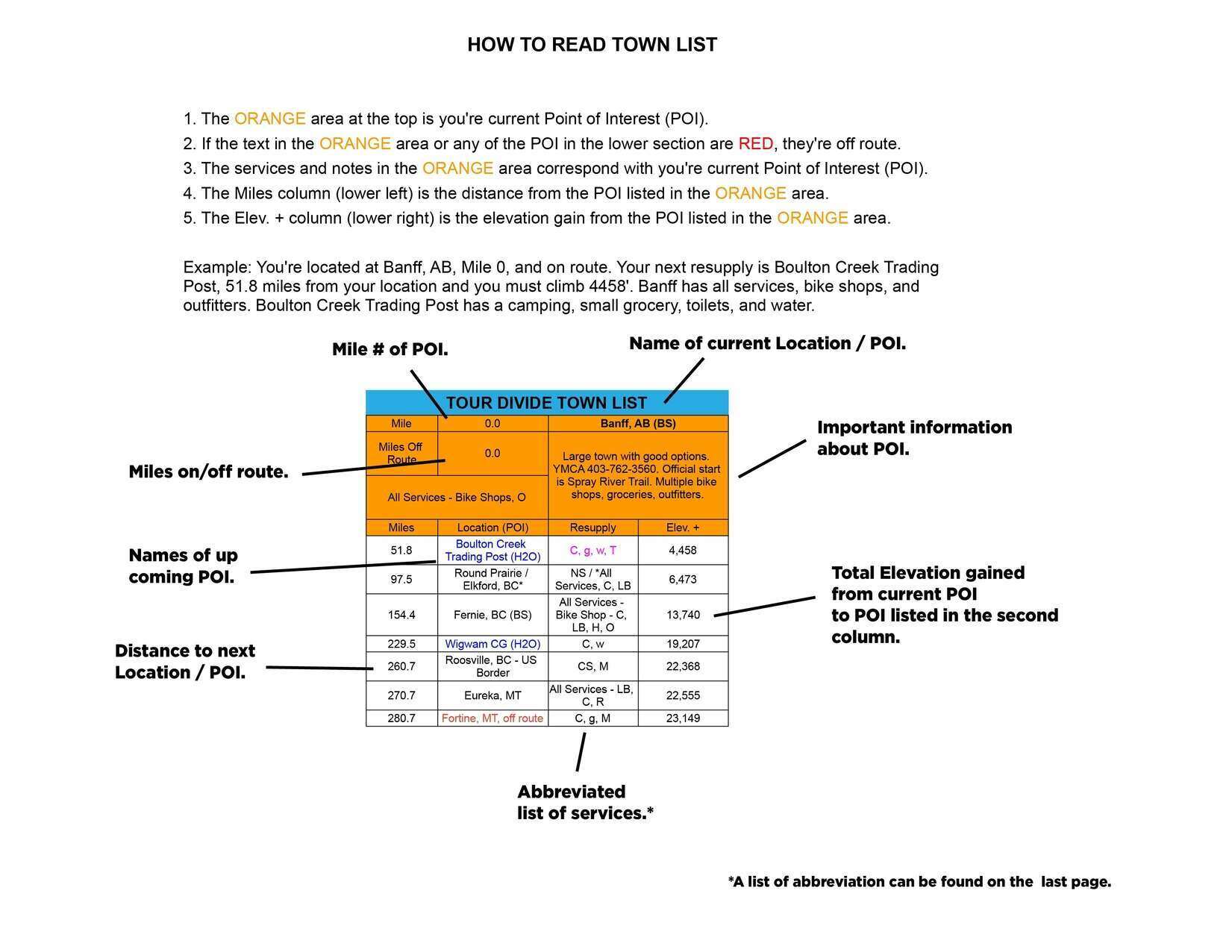
  • Town List: provides cumulative distances between POI, and does the math so you don’t have to.
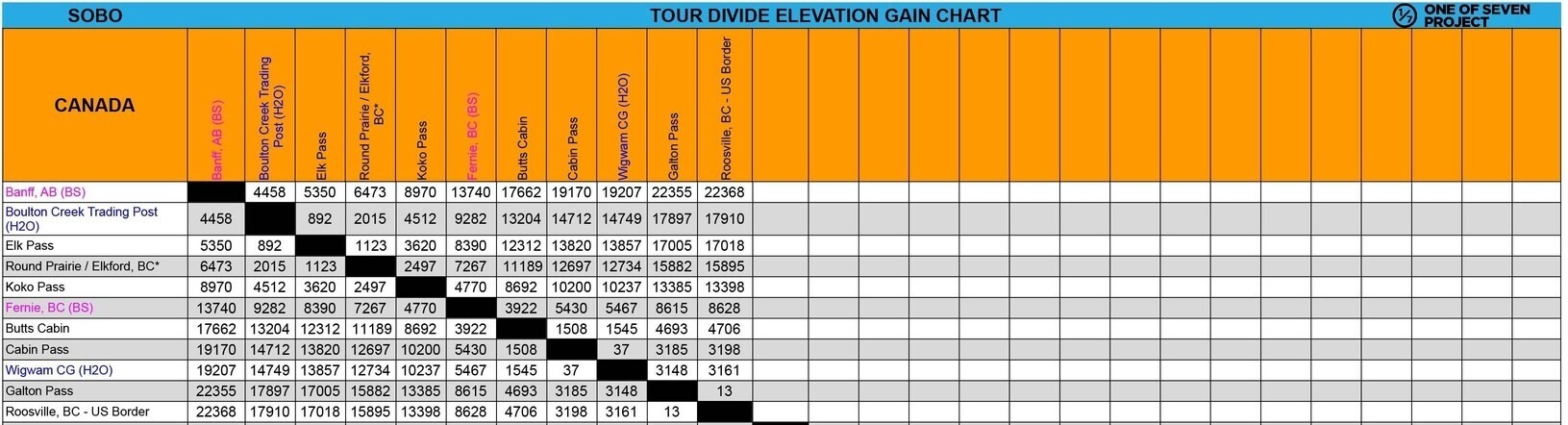
  • Mileage Chart and Elevation Gain Chart: are simple graphs showing cumulative mileage and elevation gain between POI.

Additional Resources

  • Why Use Our Planning Aids: Check out the “Why Choose Our Planning Aids” tab below for an in-depth explanation of their value, including how they simplify preparation, save time, and provide clarity bikepacking adventures and racing.
  • Tour Divide Maps: Explore our companion Ride with GPS maps section below, to visualize the route, identify POIs, and download files for offline navigation.

Explore our offerings to find the perfect combination for your needs and get ready to conquer the Tour Divide! Don’t forget to checkout our online Tour Divide Resources as well.

BUNDLES

Small Bundles:

Big Bundles:

The Small Bundle includes our two most popular planning aids, giving bikepackers essential route data in a streamlined format. With key logistics, cumulative mileage, and resupply details at your fingertips, this bundle simplifies planning and keeps you focused on the ride.

  • Data Sheet – The most comprehensive planning tool, packed with mileage, elevation gain/loss, resupply points, and key logistics.
  • Town List – Cumulative mileage and elevation gain between POIs, helping track progress and plan stops efficiently.

The Big Bundle provides the most complete set of planning tools, ensuring you have everything needed to plan effectively and ride with confidence.

  • Data Sheet – Detailed mileage, elevation, and resupply information for comprehensive planning.
  • Town List – Cumulative distance and elevation tracking for easy route management.
  • Mileage Chart – Quick-reference breakdown of distances between key points.
  • Elevation Gain Chart – Clear elevation changes to help anticipate climbs and descents.

Available in both SOBO and NOBO versions, as well as both US Standard and Metric units.

Small Bundle – $40.00  *You save $10 when you bundle!

Big Bundle – $60.00  *You save $20 when you bundle!

This website is awesome, very professionally done and has been a great resource.”

Craig, I wanted to let you know that your bikepacking guides are incredibly well done and useful.

DATA SHEETS / TOWN LISTS

Data Sheets:

Town Lists:

The Data Sheet is our most comprehensive planning tool, packed with detailed route data, including mileage, elevation gain/loss, resupply points, key logistics, and more to support every aspect of your ride. Designed to be the ultimate resupply tool, it ensures bikepackers have the critical information needed to plan their route efficiently and make informed decisions on the go.

The Town List provides cumulative distances and elevation gain between multiple POIs, helping bikepackers track progress and plan resupply stops with ease. By doing the math for you, it saves time and lets you focus on the ride.

Data Sheet ONLY available in SOBO version, as well as both US Standard and Metric units.

Town Lists are ONLY available as part of the Small or Big Bundle.

Data Sheet – $25

Town List (ONLY available as part of the Small or Big Bundle.)

This website is awesome, very professionally done and has been a great resource.”

Craig, I wanted to let you know that your bikepacking guides are incredibly well done and useful.

MILEAGE / ELEVATION GAIN CHARTS

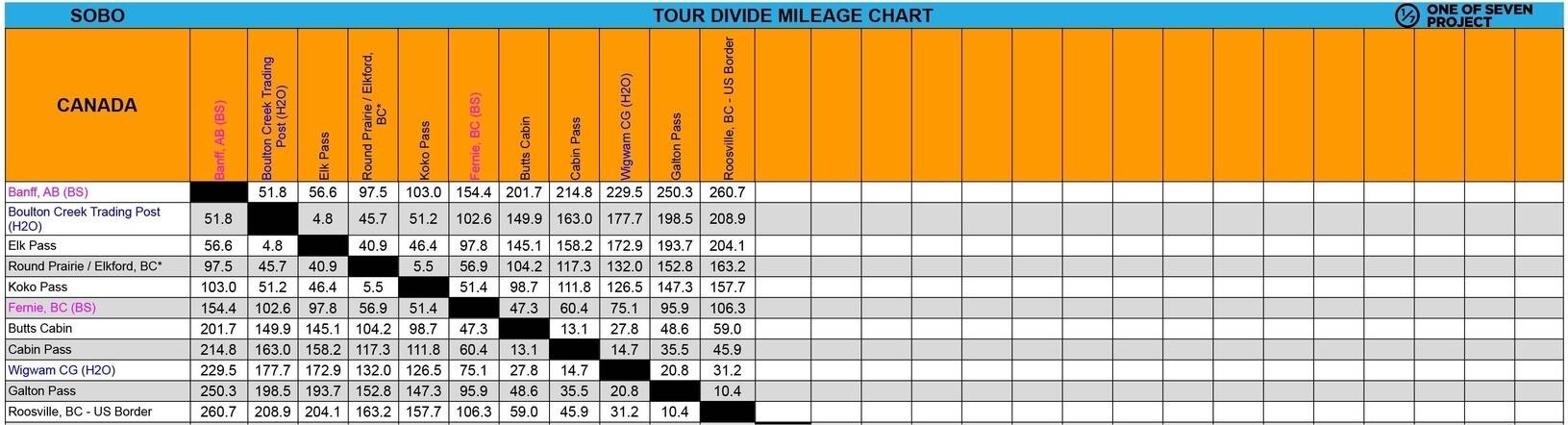
Mileage Charts:

Elevation Gain Charts:

The Mileage Chart provides a quick-reference breakdown of distances between key points along the route, helping bikepackers plan resupply stops and daily targets efficiently.

  • Shows bike shops.
  • Works for both directions.
  • Key water sources.

The Elevation Gain Chart delivers a clear view of total elevation changes, allowing riders to anticipate climbs, descents, and overall route difficulty at a glance.

    • Shows bike shops.
    • Works for both directions.
    • Key water sources.

The Mileage and Elevation Gain Charts are ONLY available as part of the Big Bundle.

Mileage and Elevation Gain Carts are our available as part of the Big Bundle.

Big Bundle – $60.00  *You save $20 when you bundle!

This website is awesome, very professionally done and has been a great resource.”

Craig, I wanted to let you know that your bikepacking guides are incredibly well done and useful.

Why Use Our Planning Aids?

Our Tour Divide Planning Aids for bikepacking and hiking are trusted by experienced bikepackers, endurance riders, and hikers because they simplify preparation and provide clarity where it matters most. With our Tour Divide Planning Aids, you can:

  • Plan with Confidence: Know exactly what’s ahead, from water stops to elevation changes, whether you're on two wheels or exploring on foot.
  • Save Time: Get all the key route details in one organized place—no more piecing together scattered info, whether you're planning a ride or a hike.
  • Stay Focused on the Journey: With your prep done, you’ll spend less time worrying and more time enjoying the experience, whether you're riding or hiking.

What Are Planning Aids?

Our  Tour Divide Planning Aids are comprehensive resources designed to assist bikepackers in effectively planning and navigating their adventures. Whether you’re tackling challenging bikepacking routes, or exploring scenic trails, these aids deliver critical route data and information to simplify your preparation and keep you focused on your journey.

From mileage data to key resupply points and water sources, our Tour Divide Planning Aids provide the essential details to help you stay on track and fully experience the trail. We aim to support your success, no matter how you choose to explore the outdoors.

What You Get

When you choose our Tour Divide Planning Aids, you gain access to reliable and organized route-specific data, including:

  • Point-of-Interest (POI) Data:
    • Mileage markers, cumulative distances, and key stops along the route.
    • Locations for resupply points, water sources, bike shops, and other critical services.
  • Route Metrics:
    • Elevation gain/loss, max/min elevations, and pavement mileage.
    • Detailed charts to help you anticipate climbs, descents, and varying terrain.
  • Practical Notes for Riders:
    • Guidance for navigating remote areas, staying prepared for dry stretches, and hitting resupply points.
    • Finish targets and other planning details to set achievable goals for each ride.
  • Convenient Formats:
    • Delivered as easy-to-use PDF files, available in both SOBO (Southbound) and NOBO (Northbound) formats where applicable.
  • Free Updates Throughout the Year:
    • Planning Aids include the most current data available at the time of purchase and are valid through December 31 of that year. If new information becomes available, you’ll receive free updates via email to ensure you’re always using the latest data.

This website is awesome, very professionally done and has been a great resource.”

Craig, I wanted to let you know that your bikepacking guides are incredibly well done and useful.

Tour Divide Maps

Ride with GPS Maps

Plan Smarter with the Tour Divide Maps and Planning Aids

The Tour Divide is one of the most challenging bikepacking routes in the world, stretching thousands of miles through remote terrain and breathtaking landscapes. Proper preparation is essential for success, and these interactive maps, based on the official race route, are designed to complement the One of Seven Project's Tour Divide Planning Aids, giving you a powerful combination of tools to streamline your planning process.

  • Route visualization: Use the maps to explore the route, identify Points of Interest (POIs), and understand the trail's layout. Icons represent water sources, resupply points, towns, and bike shops, offering a high-level view of critical stops along the way.
  • Downloadable backup: By downloading these maps from Ride with GPS, you’ll have a reliable backup GPX file to use if your GPS device runs out of battery or breaks.
  • Detailed insights: Dive deeper into the Planning Aids for essential data like mileage, elevation gain/loss, resupply strategies, and water details—organized to help you tackle the unique challenges of the Tour Divide with confidence.

Together, these resources provide everything you need to map out a realistic strategy for tackling the Tour Divide, whether you're racing or touring. Start planning your adventure today!

STEP 4: SETTING UP A RESUPPLY / ITINERARY SCHEDULE

Tour Divide Planning Guide: Plan Your Food and Water Resupplies

Planning your resupply and itinerary is vital for Tour Divide success. Whether you’re racing or touring, having a clear schedule helps you stay on track, meet your goals, and navigate remote sections of the route smoothly. Our Resupply Planning Guide highlights key stops to help you prepare effectively.

For racers, an itinerary ensures you meet target finish times and handle post-ride logistics seamlessly. For tourers, it offers structure while allowing flexibility. To dive deeper into planning strategies, gear, and post-trip recovery, check out my post, “Bikepacking: Pre-Trip Considerations,”.

Enhance your preparations with our Tour Divide Guide, featuring maps, elevation profiles, and surface data—essential tools for crafting a reliable itinerary.

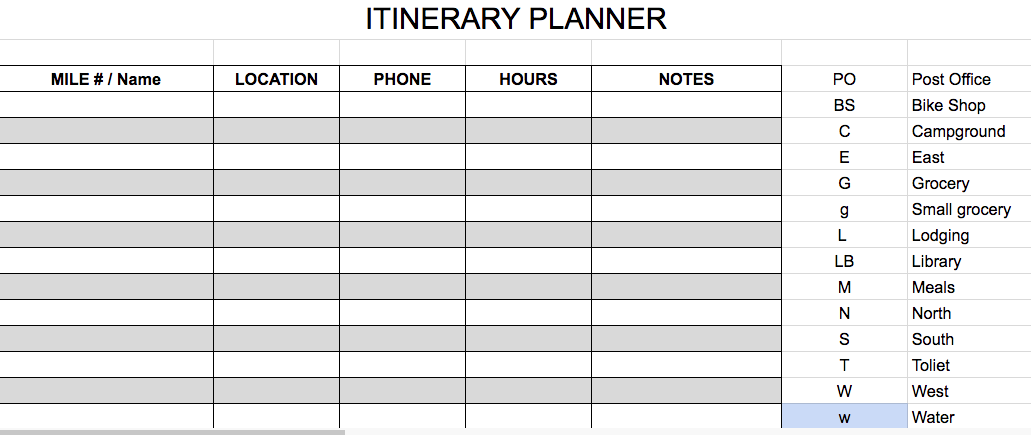
Itinerary planner for bikepacking & thru-hiking / hiking

This spreed sheet is available on Google Docs, Please go to “Edit”, then select, ” Copy”. When pasting use Control(Command) – Shift – Paste or it won’t work. You’ll have to adjust column sizes. Then make all the changes you like! Happy planning and trails.

Pro-Tip

List your target day and time on your resupply/itinerary page.  Think about adding some other check points, that way you can keep on target.

DISCLAIMER: As an affiliate partner, One of Seven Project earns a commission for purchases made through any product, brand logo links, photos, or banner ads on this page. Thanks for your support!
STEP 5: GEAR

Tour Divide Planning Guide: Pack Smart for Your Ride

Packing the right gear for the Tour Divide can make or break your experience. Check out our Tour Divide Gear Guide for insights on what worked, what didn’t, and what I’d do differently next time. While every rider’s needs differ, it’s vital to focus on reliability and comfort. By testing your setup thoroughly, you’ll minimize surprises and maximize confidence on the trail.

Choosing the right gear for the Tour Divide is crucial to a successful ride. While this guide connects you with essential resources to refine your choices and avoid unnecessary weight, your personal testing is key. Depending on your pace, you could spend two weeks or more on the Divide, encountering every type of weather imaginable. With countless hours in the saddle, it’s essential to use gear that is reliable, thoroughly tested, and comfortable. Therefore, be sure to test your setup with multiple test your setup with multiple Shakedown Rides.

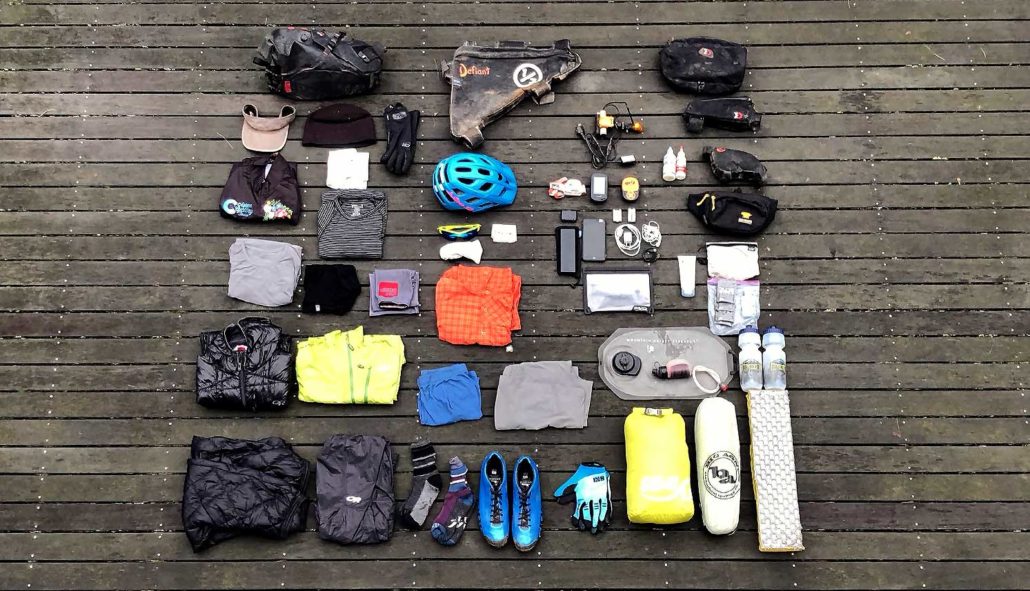
I’ve compiled a comprehensive page detailing the gear I used for the Tour Divide, as well as the Colorado Trail and Arizona Trail. My most recent post updates this list with gear recommendations if I were to tackle the Tour Divide again. Additionally, it includes tips, what worked and didn’t, and what I would do differently next time.

Bikepacking Gear List / Photo - Tour Divide Planning Guide - Arizona Trail Planning Guide - tour divide guide Ultimate Bikepacking and Hiking Resource

STEP 6: TRAINING

Tour Divide Planning Guide: Train for Endurance and Success

Training for the Tour Divide demands more than physical fitness—it requires mental resilience, strategic preparation, and a focus on endurance. The saying, “It’s 90% mental and 10% physical,” rings especially true for this challenging route. By balancing physical conditioning with mental toughness, you’ll be ready to face the Tour Divide’s unique demands.

Here are key areas to focus on:

  • Build Endurance: Mimic the sustained effort required by gradually increasing your mileage. Incorporate back-to-back long rides on weekends and multi-day rides to prepare for consecutive days of cycling.
  • Strengthen Your Core: A strong core helps with rough terrain and long hours in the saddle. Add planks, Russian twists, and leg raises to your routine. For example, a conditioning class was one of the best decisions I made pre-race.
  • Ride on Similar Terrain: Train on trails and rugged terrain to adapt to the Divide’s conditions. This improves bike handling skills and prepares you for technical challenges.
  • Practice Bikepacking: Get used to riding with a loaded bike. Practice packing and unpacking efficiently to save time and learn what works.
  • Nutrition and Hydration: Experiment with foods and hydration strategies during training. Remember, you may rely on gas stations or small stores, so learn to fuel effectively with limited options.
  • Mental Preparation: Build mental toughness by setting small goals, managing discomfort, and staying motivated through difficult stretches.
  • Rest and Recovery: Rest days are essential for avoiding burnout and injuries. Listen to your body and allow time for recovery.

By focusing on these areas, you’ll build the endurance, strength, and resilience needed to tackle the Tour Divide successfully.

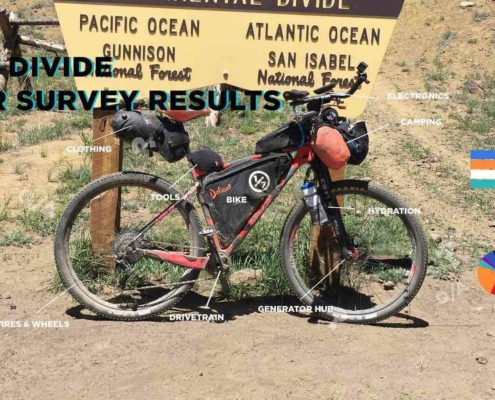
Tour Divide Rider Survey

The Project conducts an ongoing rider survey to assist new riders in selecting the right gear for the Tour Divide. Embarking on an adventure like the Tour Divide can be daunting, and the planning process overwhelming. We hope this survey will aid new riders in their preparation and execution of their Tour Divide ride, ensuring they are better equipped for their adventure.
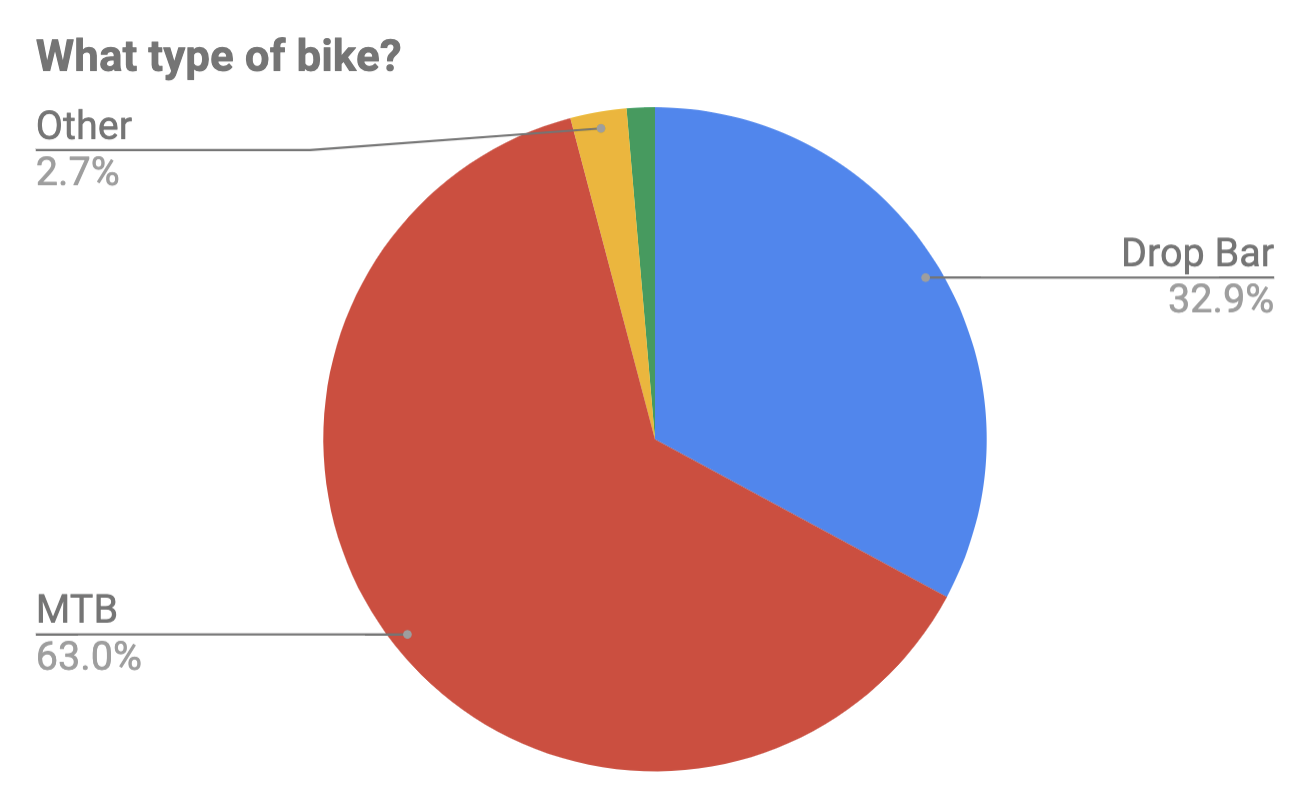
If you haven’t taken the Tour Divide Rider Survey yet, we encourage you to participate through the links below.

***Please pay close attention to the examples provided for questions requiring typed answers. If responses are not entered exactly as shown in the examples, I will need to correct them, which can skew the results. Thank you in advance!

Tour Divide Rider Survey Example

Covers: bikes, suspension, tires & wheels, drivetrain, and Components.

Covers: navigation planning, camping, logistic/travel, clothes, and more.

STEP 7: Do a Shakedown Ride

Tour Divide Planning Guide: Test Everything Before You Start

A thorough Shakedown Ride is essential for Tour Divide success. Use training rides to test your loaded bike setup, food, and water plans. This hands-on approach helps you identify handling issues, rattles, or rubs and uncover what doesn’t work.

An untested setup can lead to unnecessary stress during your ride, so don’t leave anything to chance. By refining your gear and gaining confidence with a loaded bike, you’ll be fully prepared for the challenges ahead.

Here are key tips for testing your setup:

  • Iterate and Adjust: Perfection doesn’t happen on the first try. Experiment with different configurations to find what works best.
  • Balance Your Load: Ensure your gear is evenly distributed to maintain stability and control.
  • Address Uncertainties: Resolve any doubts about components or setup before heading out.
  • Test Electronics: Check your GPS and other electronics to ensure reliability. Additionally, learn how to troubleshoot potential issues.
  • Secure Bottles: Bottles mounted on forks and down tubes are prone to falling off or rubbing. Verify they’re securely attached to avoid losing essential water capacity.

By thoroughly testing and refining your setup, you’ll be better prepared for the challenges ahead.

More Helpful TD Resources

Everything you need to plan a bikepacking trip on the Tour Divide.
This Tour Divide Planning Guide is just the start—pair it with our Advanced Tour Divide Planning Tools, Resupply Tips and Strategies, and Travel Logistics Guide to fully prepare for your adventure.

Tour Divide Planning Aids: Resupply, Mileage, and More
Checkout our full line of Tour Divide Planning Aids at our store. Choose from NOBO and SOBO / US standard and metric.

Tour Divide: My Prove Triple Crown Bikepacking Gear

  • Proven Bikepacking Gear | Tested on the Tour Divide & Triple Crown

A detailed look at what I used on the Tour Divide, what worked and what didn’t.

Tour Divide Gear: What Worked Well and What’s Even Better
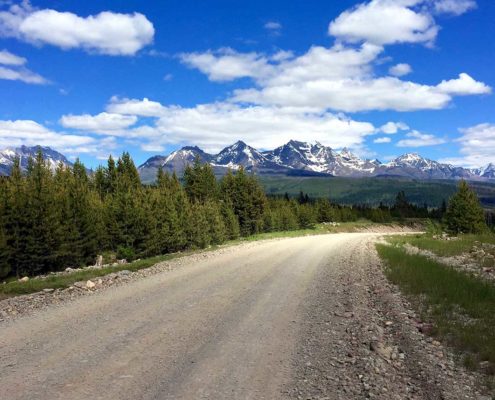
In depth look at what I would bring for gear and why, Tour Divide | What Worked Well and What’s Even Better.

Tour Divide Rider Survey: Essential Gear Insights for New Riders
Curios to know what gear other riders used to get to the finish line? Checkout our Rider Surveys to find out what works or to take the survey yourself.

Ultimate Guide to Tour Divide: Route, Resources, and More

Checkout our bikepacking resource page for more planning help.