As an affiliate partner, One of Seven Project earns a commission for purchases made through any product, brand logo links, or banner ads on this page. Thanks for your support!


You don’t need to be a rocket scientist to know How to Stay Dry While Bikepacking. It takes a mixture of common sense, know how, preparedness and luck. Some times you can’t avoid getting rained on so having the right gear is crucial. Keep reading to learn the keys to How to Stay Dry While Bikepacking.
Here’s a list of just some of the points I’ll hit:
You can read about other bikepacking gear on My Proven Bikepacking Gear List From The Triple Crown page.
Shopping with our affiliates helps fund the development of content like this.
Conventional wisdom would tell you that if you don’t want to get wet, avoid riding in the rain. As we all know that isn’t always possible and sometimes we can’t avoid riding in the rain.
Staying dry while bikepacking isn’t just about the proper gear. How you approach certain situations and the decisions you make will greatly affect whether or not you stay dry or not.
Whether you’re racing or touring, monitor the weather regularly and knowing when to push on and when to batten down the hatches can make all the difference. You may actually be able to avoid riding in the rain.
If you can’t avoid on coming weather, try to get out of the elements before the shit hits the fan or more importantly, get your rain gear on before the rain hits. Setting up camp or finding shelter might take some time or end up being a bust, but it can be a better trade off then getting caught out and getting soaked. Drying out can be more work than setting up or finding shelter.
If you’re racing you just have to push through foul weather. The reality is you’re probably going to get wet. Either you’ll get caught out without your rain gear on soon enough or you sweat so much you get wet from inside. At times it might seem like all your doing is taking on and off clothes but this is better than not doing so in the long run.
Example: I took a wrong turn during my CTR and went down hill almost 3 miles. On the way back up I saw a storm coming at me but did nothing to prepare for it’s arrival. By the time I put my rain jacket on I was soaked. I also never put my pants on and the result was when I finally did get my Big Agnes Fly Creek Platinum II set up I spent the next 3 hours fighting off hypothermia.
-Craig
Do your best to regulate your body temperature, watch the weather, make good decisions and don’t get lazy with putting on or taking off your rain gain.
Staying in your tent isn’t an option, so the sooner you get out and going the more miles you’ll put in.
-Make sure their not super tight. Fighting to get shoe covers on/off with cold wet hands is like trying to wrestle an angry cat into a carrier.
-Cold wet feet are the worst. Plastic bags are so rookie. Invest in waterproof socks.
-A lot hiking rain pants have shorter inseams and are cut narrow. Be sure you have ample length and mobility for pedaling.
-Ankles with zippers are key so you don’t have to remove your shoes to put them on or take them off.
-Pit zips and breathability are key! The ability to regulate one’s body temperature while bikepacking can’t be stressed enough.
-Cold hands might be worse than cold feet. Waterproof gloves or a pair of light weight waterproof rain mitts can make the worst rain tame. (Consider carrying a second pair that are always dry).
-Options are endless with this category. It’s pretty much “To each his own”. With that said I personally found using a bivy was simpler and lighter than a tent, but not having the ability to change or maneuver was a big draw back.
-Your seat bag and handle bar harness (if you have one) may block most water coming off your tire but take a look at downtube fenders for added protection.
-A shower cap from a hotel is a cheap and easy way to cover your helmet, thus keeping your head dry and yourself warm/more comfortable in a long day of rain.
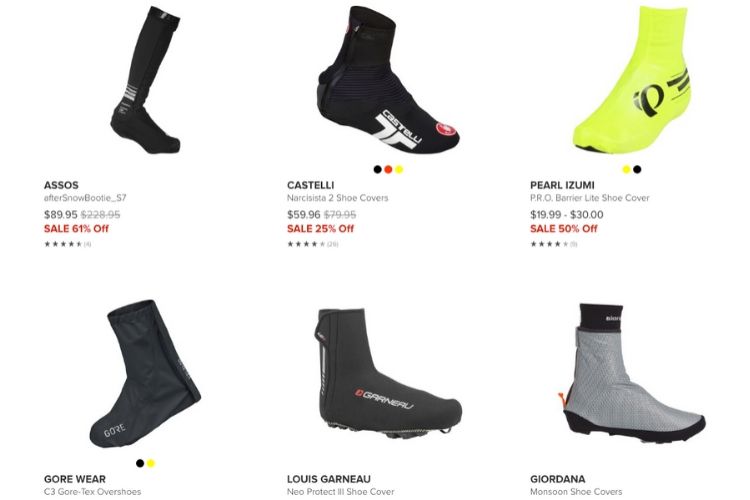
Shoe Covers
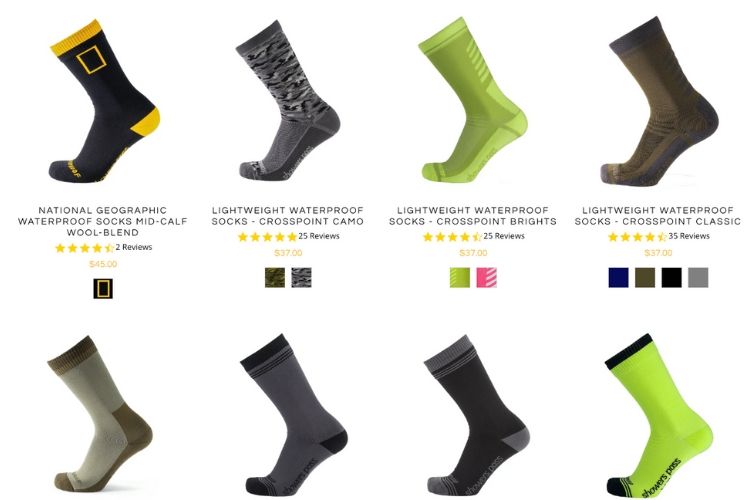
Waterproof Socks
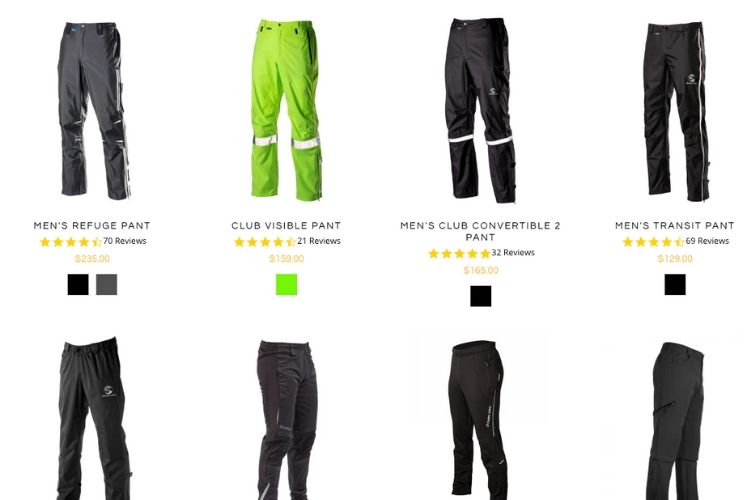
Rain Pants
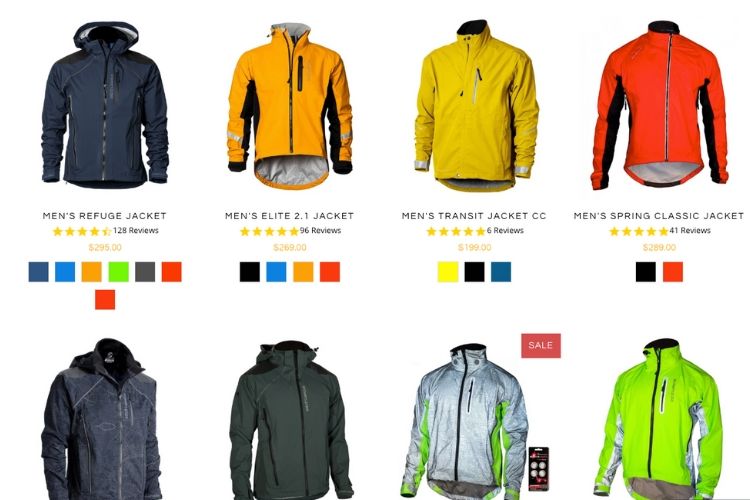
Rain Jackets
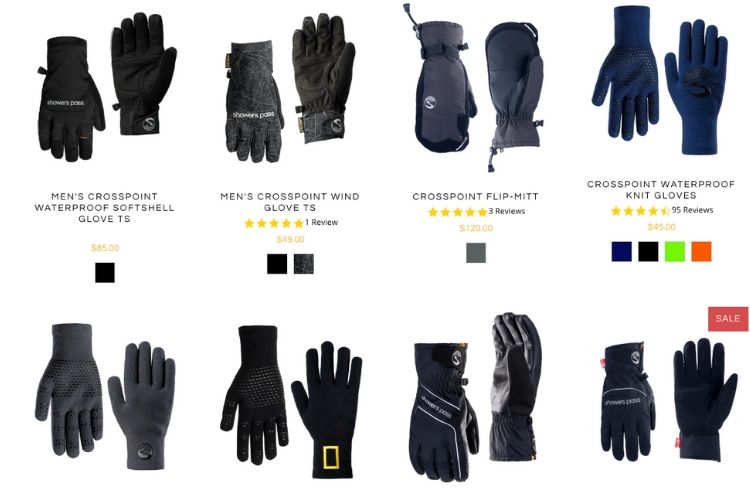
Rain Mitts
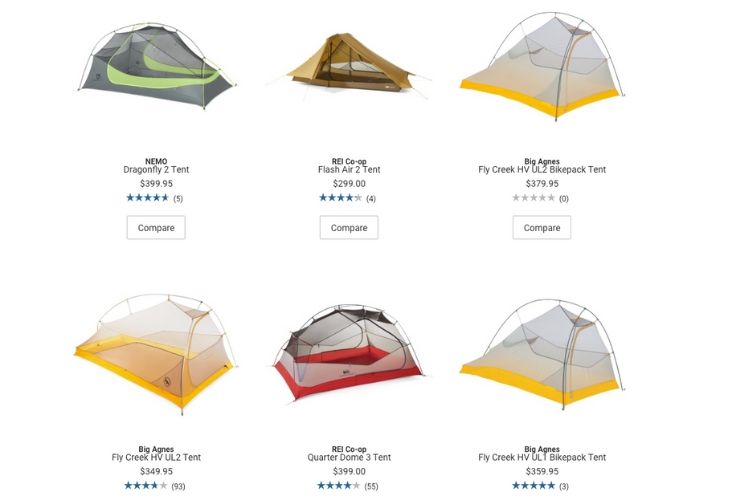
Shelter
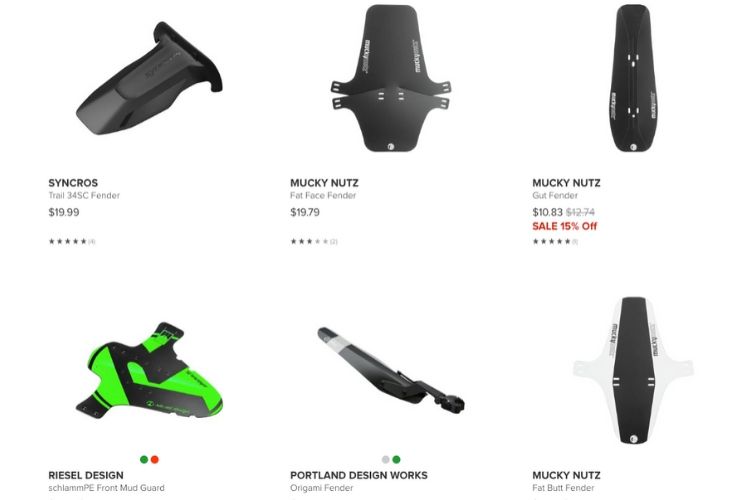
Fenders
Another thing you want to think about is how to keep your clothing/gear dry when you’re not using it. Some bikepacking bags are waterproof but others are not. Even if they are, consider investing in some SealLine dry bags to ensure you have a nice toasty and dry puffy to put on at the end of the a long day.
I talk about How to Stay Warm When Bikepacking here.
Showers Pass is your one stop for staying dry while on the bike. They make everything from waterproof socks to their Elite 2.1 Jacket with it’s 3 layers of protection. If you’re looking for top of the line protection, Showers Pass has you covered.

The Project offers the best Planning aids / guides to help you plan and execute your ride. With our Planning Aids, you'll have the most information to assist you with your planning and ride.
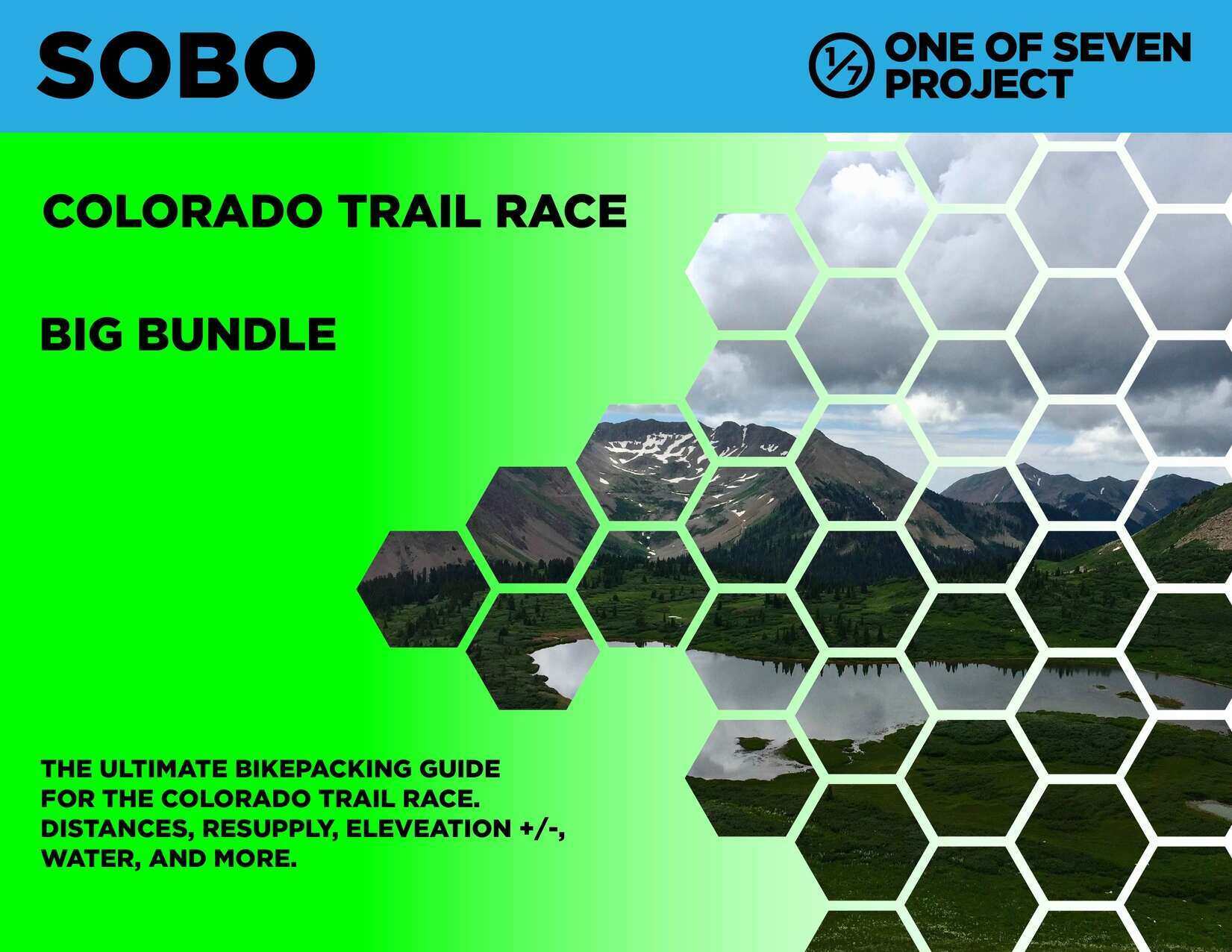
Checkout all our Planning Aids at our store. (Tour Divide, GDMBR, Arizona Trail, Colorado Trail, Kokopelli Trail, TNGA, Coconino 250, and Bay Circuit Trail). Southbound and Northbound, as well as metric versions are available depending on the route.
The Mental Game:
Your mental attitude while bikepacking can be a huge factor in how you deal with given situations. It’s one thing to go out and buy the gear listed above but it’s another thing all together to know how to use it and more importantly, be comfortable with that gear.
The top racers carry next to nothing. They can do this because their comfortable with their gear, how to use and and they know their limits. It’s my opinion that many of them are rolling the dice from time to time. But with that said, they know what they can and get deal with, and are comfortable with ever piece of gear they have.
My motto whether I’m hiking, bikepacking, or doing whatever is derived from Lance Armstrong’s first book. He say’s “Pain is temporary, quitting last forever!”. When the weather is shit out and I have to be in it, I just remind myself it’s temporary. It might suck right now but it will pass and all will be right with the world.
So use your head, know your gear, and be comfortable with it. If you apply these three things it’s amazing how bad weather doesn’t look so scary any more.
Know your weaknesses (both physical and mental) and work on them. Having the right attitude can make all the difference.
To summarize on How to Stay Dry While Bikepacking, what you do before you leave, how you mentally approach your on trail experience, having quality and breathable gear your comfortable with, and making sound decision are the keys to staying dry.
You can’t fully avoid getting wet but you can follow these simple steps to help make the experience less grueling and that should keep the pedals turning. Good luck and happy trails!
Read these next or checkout the main resource page.
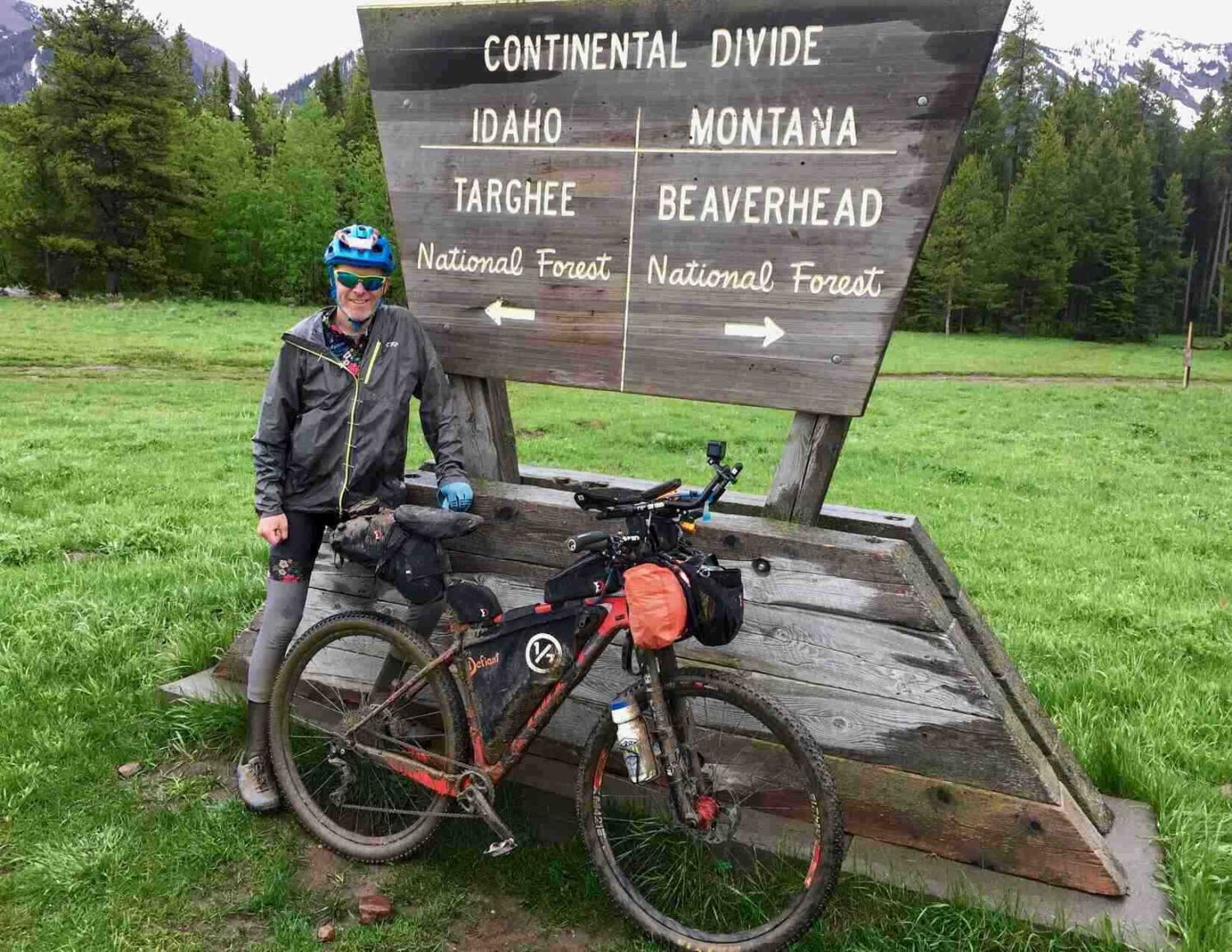
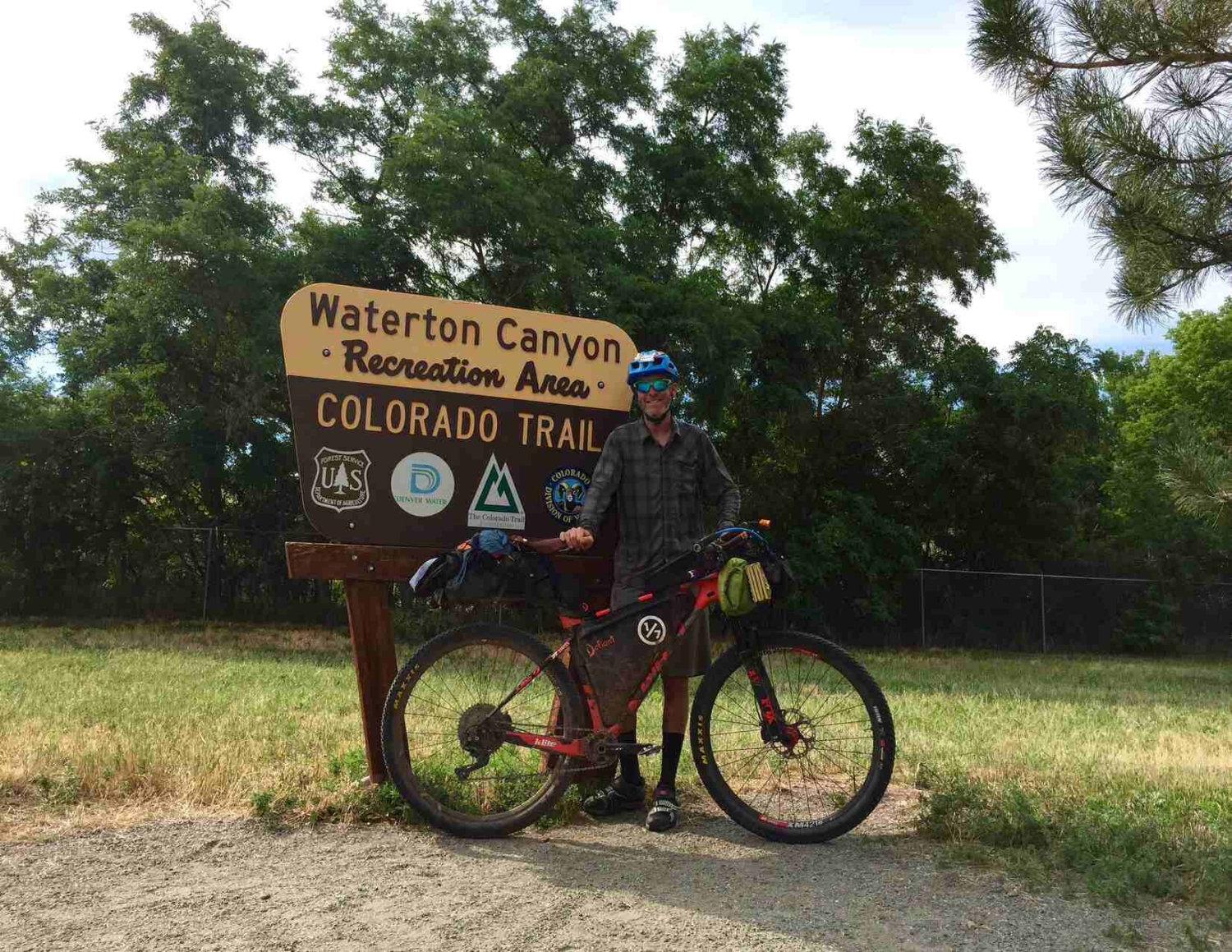
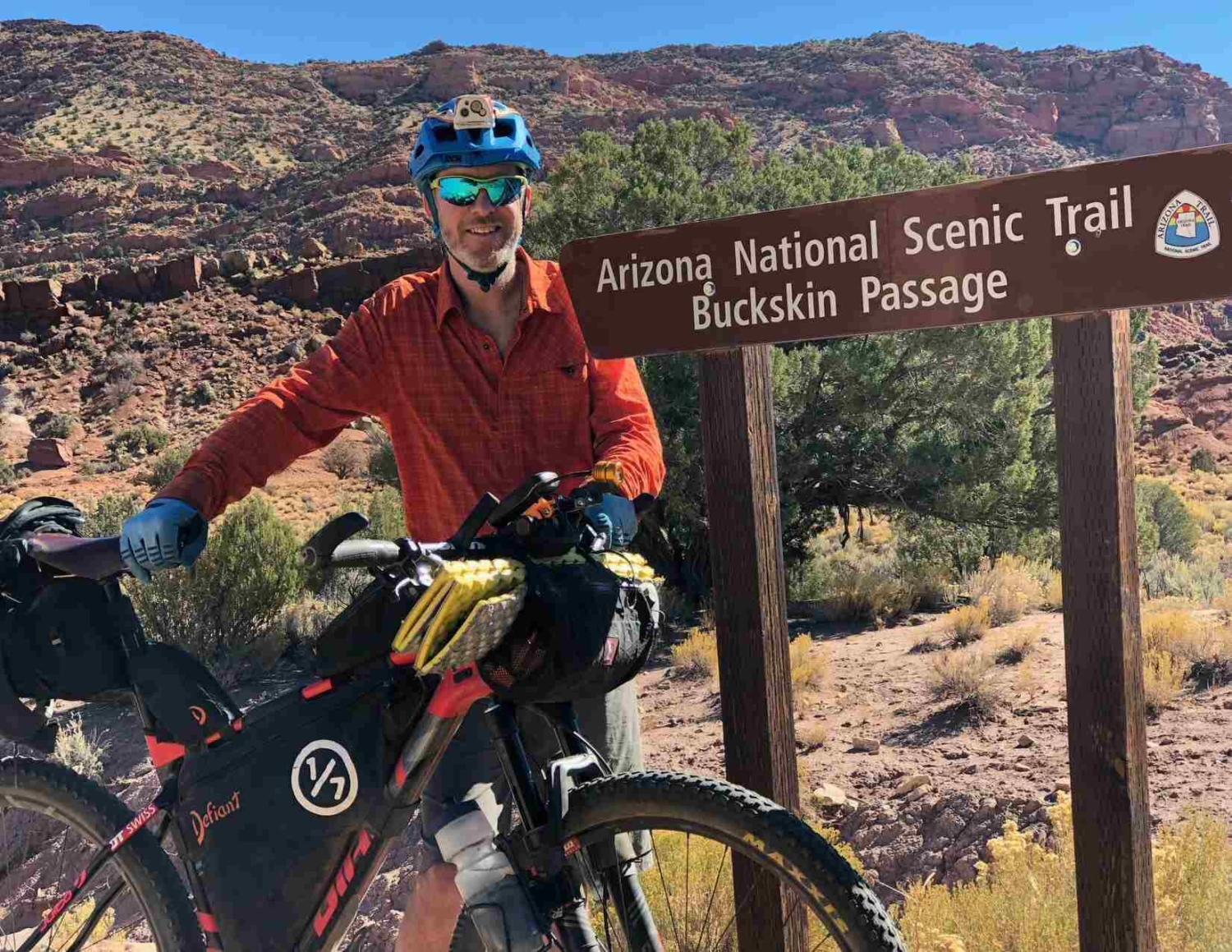
Dive into all three gear lists from the Bikepacking Triple Crown, and find pros & cons; things I’d do differently; and tips.
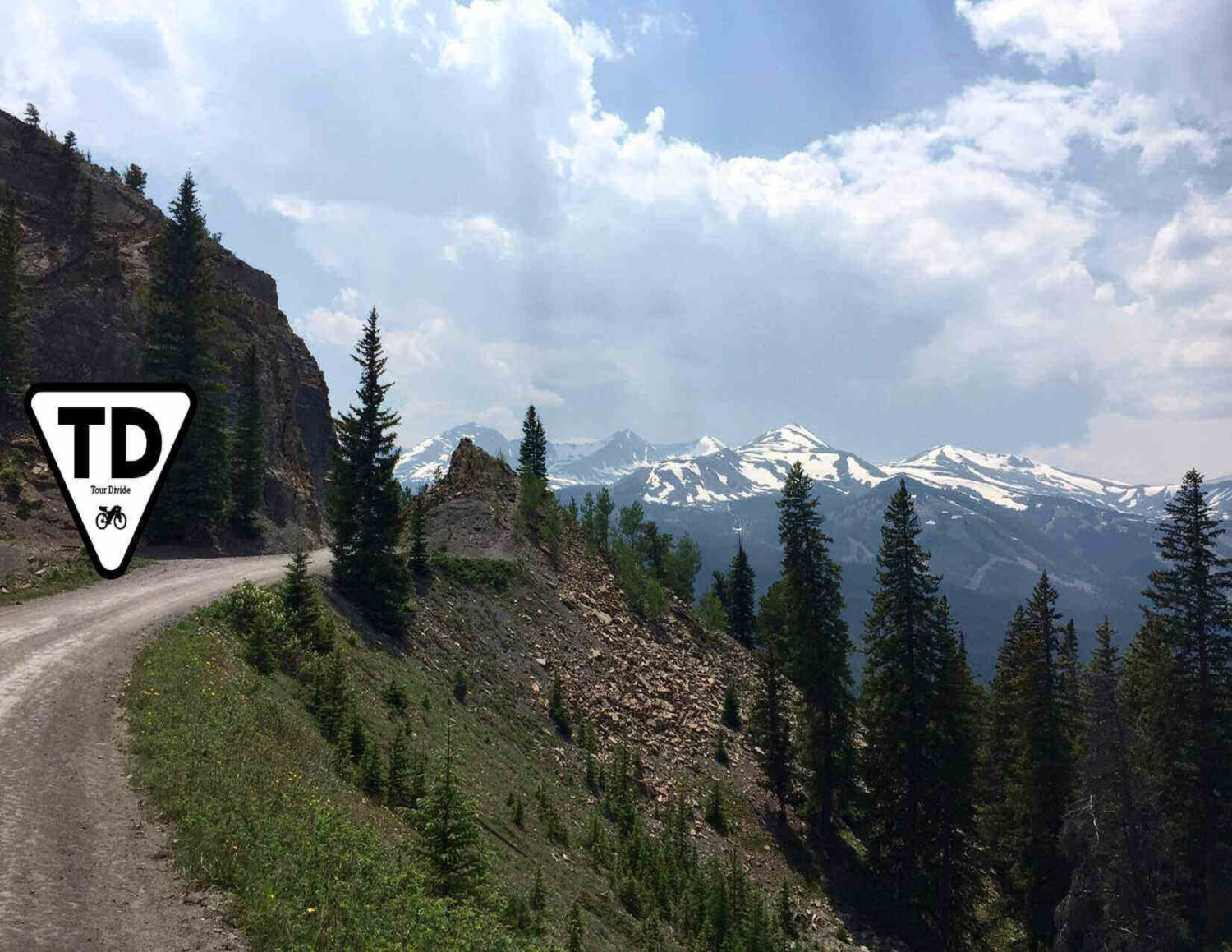
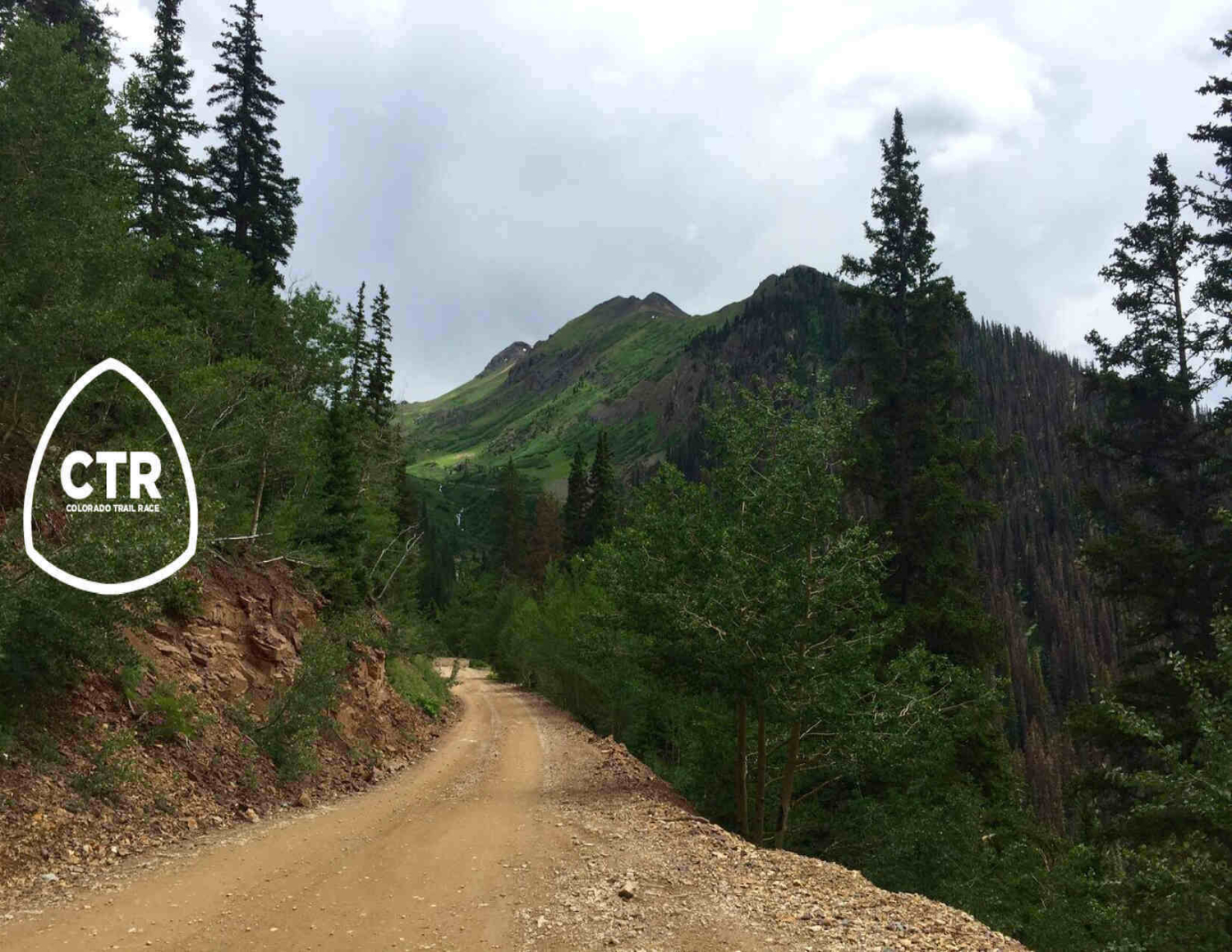
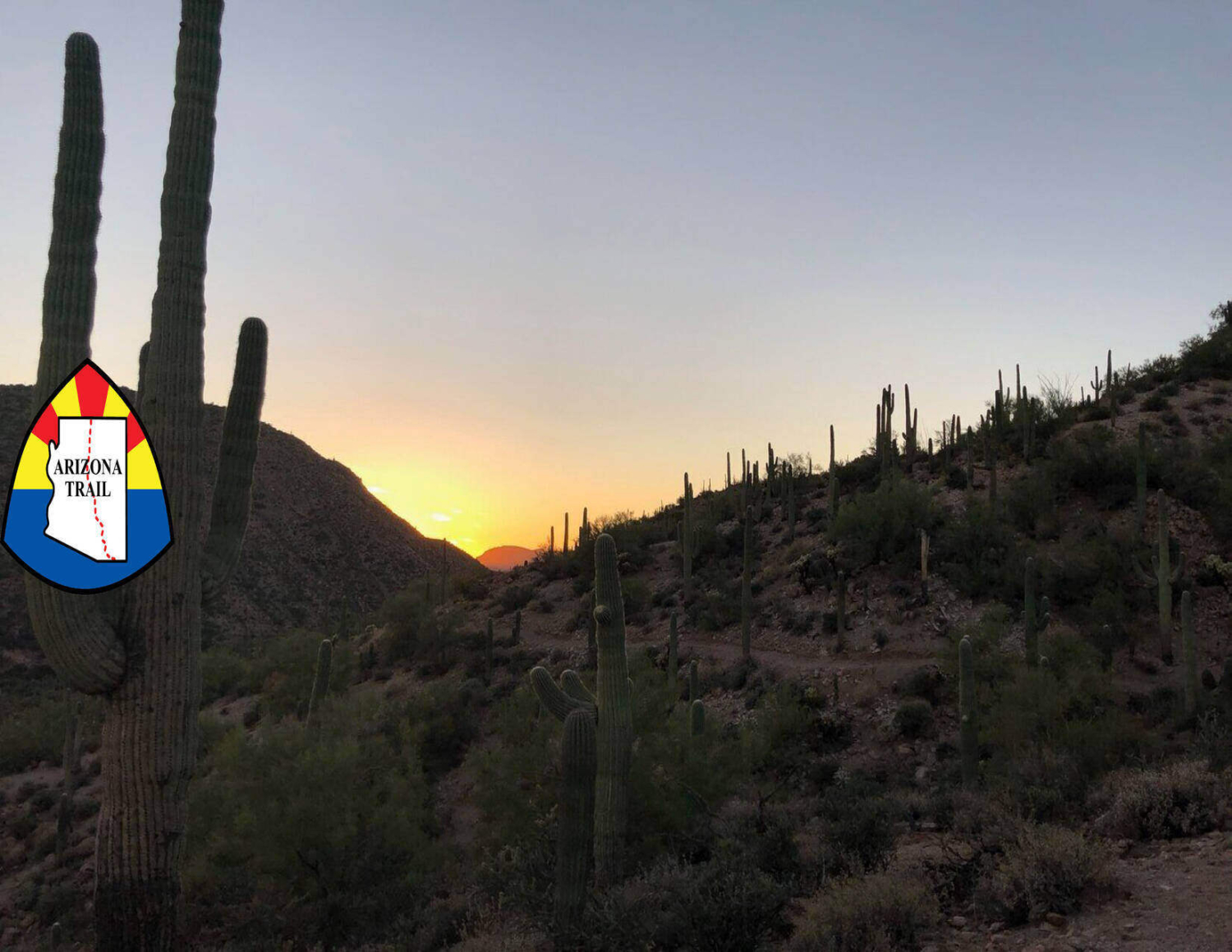
In depth look at what I would bring for gear and why, if I rode the Tour Divide, CTR, AZTR, Kokopelli Trail, and Bay Circuit Trail again.
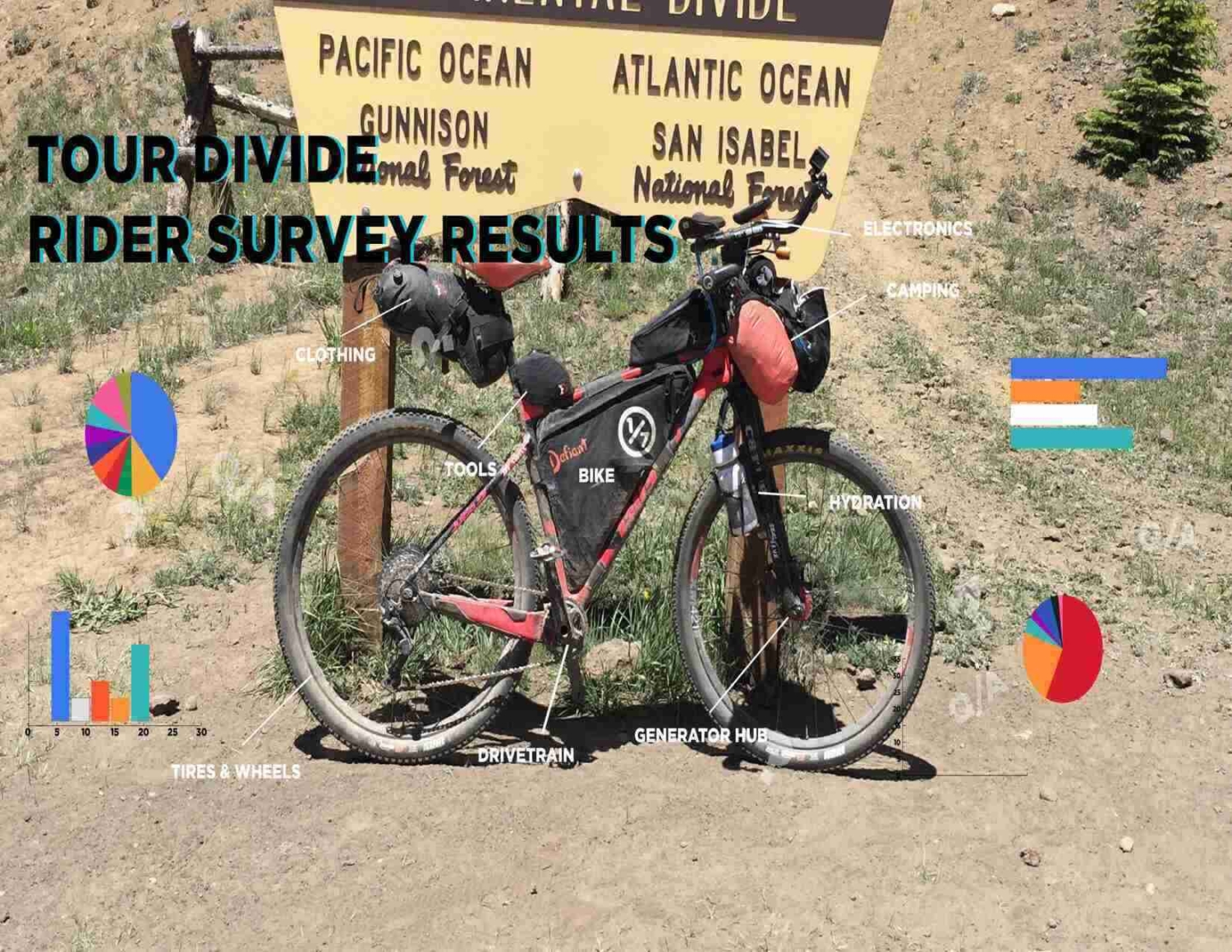
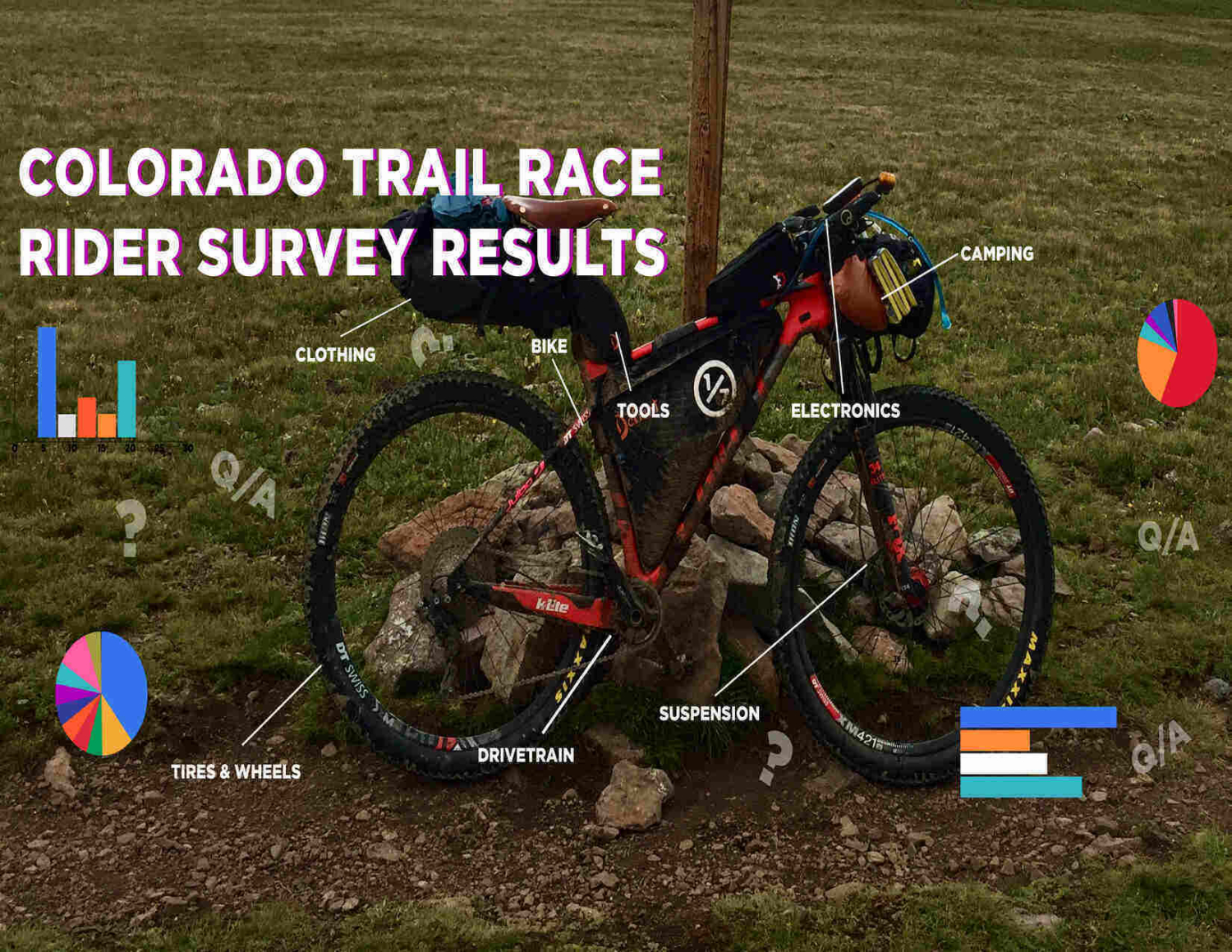
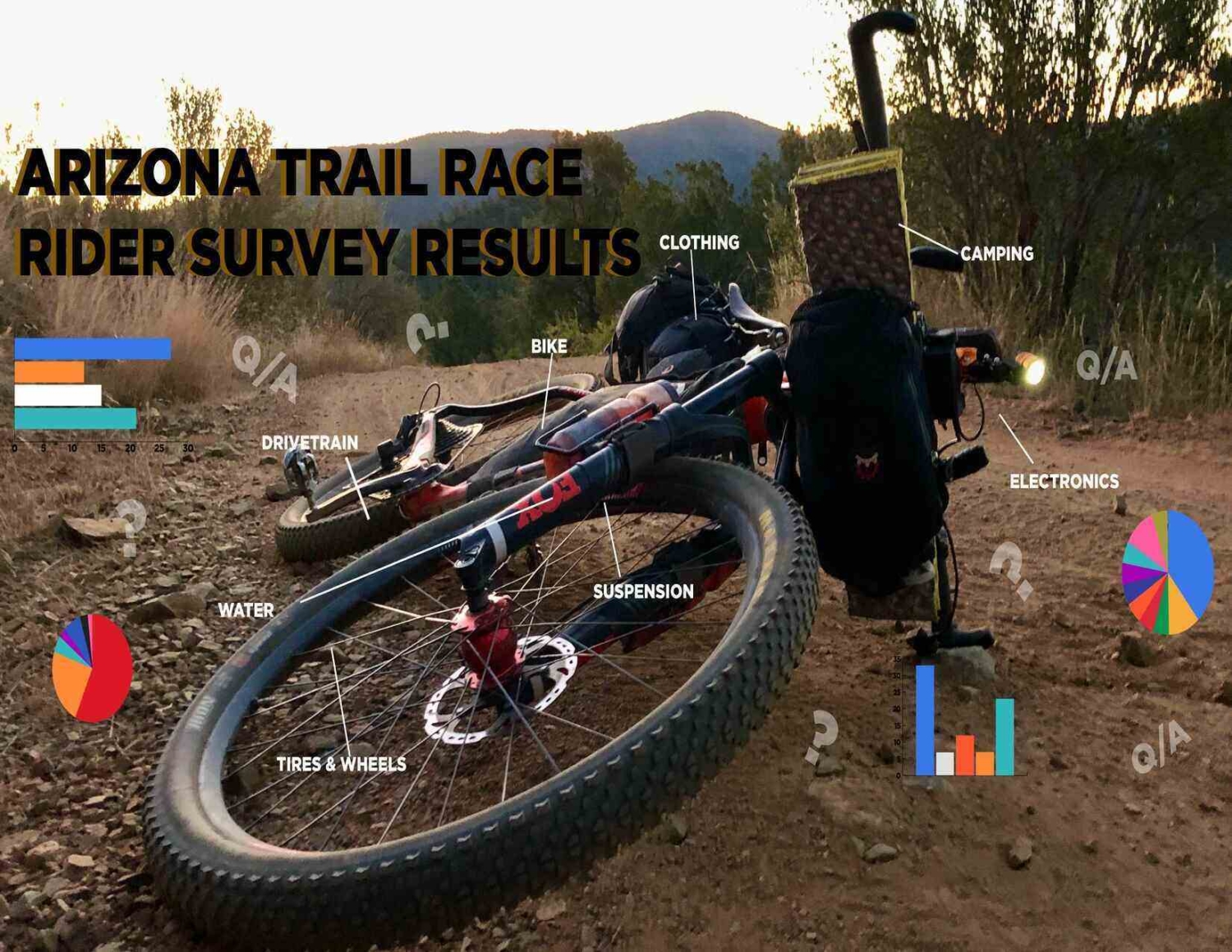
Curios to know what gear other riders used to get to the finish line? Checkout our Rider Surveys to find out what works or to take the survey yourself.
 https://oneofsevenproject.com/wp-content/uploads/2021/02/rsz_ce61a8f9-0b12-4e41-b403-e902df8f4593.jpg
857
1493
Craig Fowler
http://oneofsevenproject.com/wp-content/uploads/2017/01/1of7-logo-lockup-grey-1132x212-300x56.png
Craig Fowler2021-02-04 11:44:292024-10-24 15:06:14Bikepacking – How to Care for Your Butt
https://oneofsevenproject.com/wp-content/uploads/2021/02/rsz_ce61a8f9-0b12-4e41-b403-e902df8f4593.jpg
857
1493
Craig Fowler
http://oneofsevenproject.com/wp-content/uploads/2017/01/1of7-logo-lockup-grey-1132x212-300x56.png
Craig Fowler2021-02-04 11:44:292024-10-24 15:06:14Bikepacking – How to Care for Your Butt https://oneofsevenproject.com/wp-content/uploads/2020/03/Untitled-design-24.jpg
857
1493
Craig Fowler
http://oneofsevenproject.com/wp-content/uploads/2017/01/1of7-logo-lockup-grey-1132x212-300x56.png
Craig Fowler2020-05-19 10:09:312024-10-25 07:44:26Most Common Bikepacking Injuries
https://oneofsevenproject.com/wp-content/uploads/2020/03/Untitled-design-24.jpg
857
1493
Craig Fowler
http://oneofsevenproject.com/wp-content/uploads/2017/01/1of7-logo-lockup-grey-1132x212-300x56.png
Craig Fowler2020-05-19 10:09:312024-10-25 07:44:26Most Common Bikepacking Injuries https://oneofsevenproject.com/wp-content/uploads/2018/02/tourdivide-roadmiles-mountains-1.jpg
857
1493
Craig Fowler
http://oneofsevenproject.com/wp-content/uploads/2017/01/1of7-logo-lockup-grey-1132x212-300x56.png
Craig Fowler2020-03-06 13:25:442024-09-10 18:33:55Tour Divide Gear: What Worked Well and What’s Even Better
https://oneofsevenproject.com/wp-content/uploads/2018/02/tourdivide-roadmiles-mountains-1.jpg
857
1493
Craig Fowler
http://oneofsevenproject.com/wp-content/uploads/2017/01/1of7-logo-lockup-grey-1132x212-300x56.png
Craig Fowler2020-03-06 13:25:442024-09-10 18:33:55Tour Divide Gear: What Worked Well and What’s Even Better https://oneofsevenproject.com/wp-content/uploads/2019/07/rsz_img_4494.jpg
857
1493
Craig Fowler
http://oneofsevenproject.com/wp-content/uploads/2017/01/1of7-logo-lockup-grey-1132x212-300x56.png
Craig Fowler2019-07-05 10:28:362024-10-25 09:17:54The Shakedown Ride
https://oneofsevenproject.com/wp-content/uploads/2019/07/rsz_img_4494.jpg
857
1493
Craig Fowler
http://oneofsevenproject.com/wp-content/uploads/2017/01/1of7-logo-lockup-grey-1132x212-300x56.png
Craig Fowler2019-07-05 10:28:362024-10-25 09:17:54The Shakedown Ride https://oneofsevenproject.com/wp-content/uploads/2019/05/rsz_1img_5506.jpg
857
1440
Craig Fowler
http://oneofsevenproject.com/wp-content/uploads/2017/01/1of7-logo-lockup-grey-1132x212-300x56.png
Craig Fowler2019-05-17 09:29:522024-10-25 08:55:13Most Common Mistakes Bikepackers Make
https://oneofsevenproject.com/wp-content/uploads/2019/05/rsz_1img_5506.jpg
857
1440
Craig Fowler
http://oneofsevenproject.com/wp-content/uploads/2017/01/1of7-logo-lockup-grey-1132x212-300x56.png
Craig Fowler2019-05-17 09:29:522024-10-25 08:55:13Most Common Mistakes Bikepackers Make https://oneofsevenproject.com/wp-content/uploads/2018/11/Untitled-design-23-e1542400026690.jpg
857
1493
Craig Fowler
http://oneofsevenproject.com/wp-content/uploads/2017/01/1of7-logo-lockup-grey-1132x212-300x56.png
Craig Fowler2018-03-07 15:14:332024-10-24 14:47:28Bikepacking Navigation
https://oneofsevenproject.com/wp-content/uploads/2018/11/Untitled-design-23-e1542400026690.jpg
857
1493
Craig Fowler
http://oneofsevenproject.com/wp-content/uploads/2017/01/1of7-logo-lockup-grey-1132x212-300x56.png
Craig Fowler2018-03-07 15:14:332024-10-24 14:47:28Bikepacking Navigation




Simply clicking on the links below with our affiliates supports the Project.