As an affiliate partner, One of Seven Project earns a commission for purchases made through any product, brand logo links, or banner ads on this page. Thanks for your support!

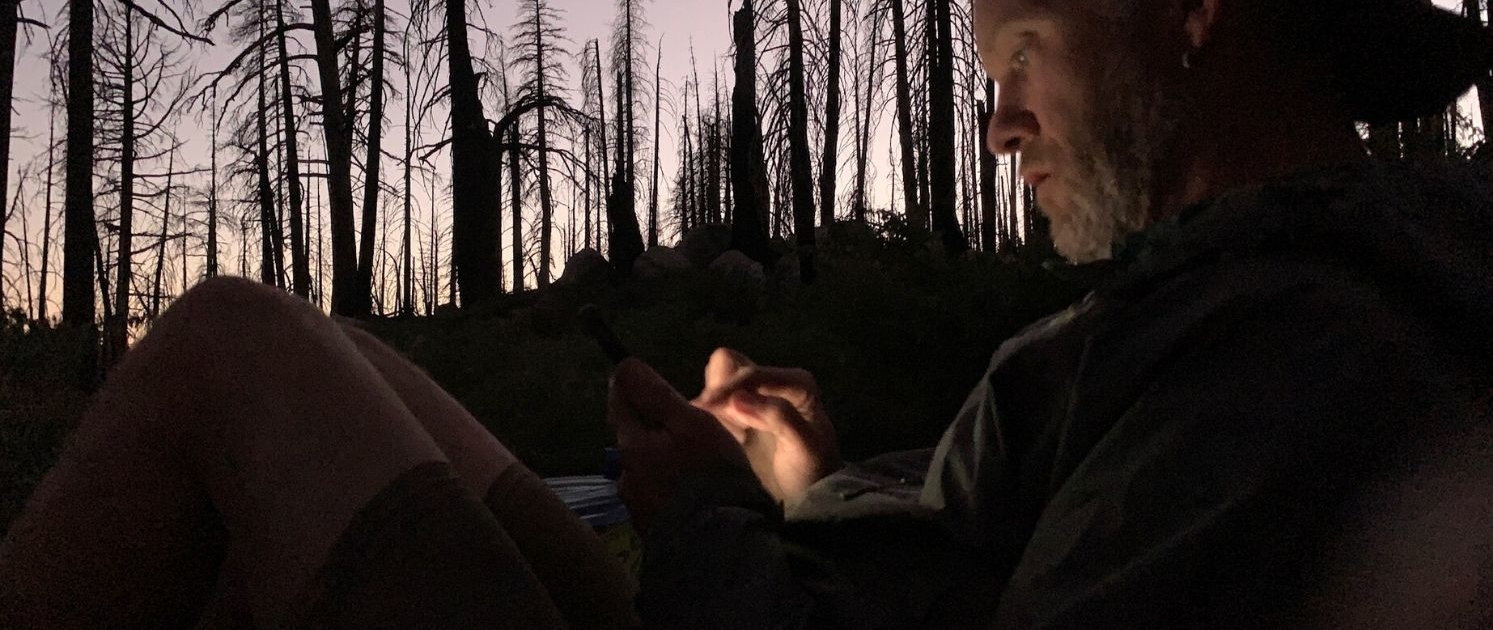

Recently I was talking to a friend who hiked on the Appalachian Trail with me years ago. He was mentioning how he wished he had kept a better journal. Time has robbed some of those memories from him. When it comes to whether one keeps a journal or not, the decision is a personal one. Some people keep a journal and some don’t. If you do choose to keep a journal, these Keys to Good Trail Journal Writing will help you craft a journal that will keep the memory of your hike alive.
Throughout my adventures I have always kept a journal on longer trips and wish I had for more of my shorter ones. As I pointed out not everyone does. Good journal writing isn’t hard. Here are some Keys to Good Trail Journal Writing that will help you keep what’s important from your adventures alive and organized, so you and others can enjoy them for years to come.
Shopping with our affiliates helps fund the development of content like this.
Everyone has their own reason for keeping a journal. Sometimes it’s personal, sometimes it’s for others, or a combination of both. Some want to record their thoughts, others want to document their daily journey. Whatever the reason, your journal is going to be better if it has structure, consistency, and is descriptive.
I find structure to be very important in good journal writing. Having structure makes the process of writing your daily journal easier. There’s less to think about and most importantly it makes reading, following, and finding certain entries in your journal in the future easier.
No matter what type of adventure you’re on, if it’s long enough, the days will start to meld together. Over time this only gets worse as our memory starts to fail us. My friend (the one I mentioned at the start of the post) told me that each journal entry he made was different. His journal lacked consistency and continuity, which now after all the years, makes it hard to find certain dates or locations and also follow his thru-hike.
The easiest way to prevent this is to add structure to your journal. The next step is to use it everyday without exception.
My journal entries always start with a header like this:
6/9/17 Day 1
113.3 Miles, 113.3 Total
Banff, AB to Trail Side Camp (Koko Pass) 6000′
40’s overcast and lots of rain
Days of Rain: 1
The beauty of the above is that it’s super easy to search and find locations, dates, mileage and more when you go back to your journal. If you’re posting to a blog the extra information will improve your Search Engine Optimization (SEO) rankings too. Even without saying what I saw and did that day, it’s a perfect snapshot of my day. Think about the things you think are important to you and create your own structured header.
Your header can be detailed like mine or simple. Some might not feel the need for the weather or counting days of rain. Find out what works for you and use it everyday.
WHO: Names and Places
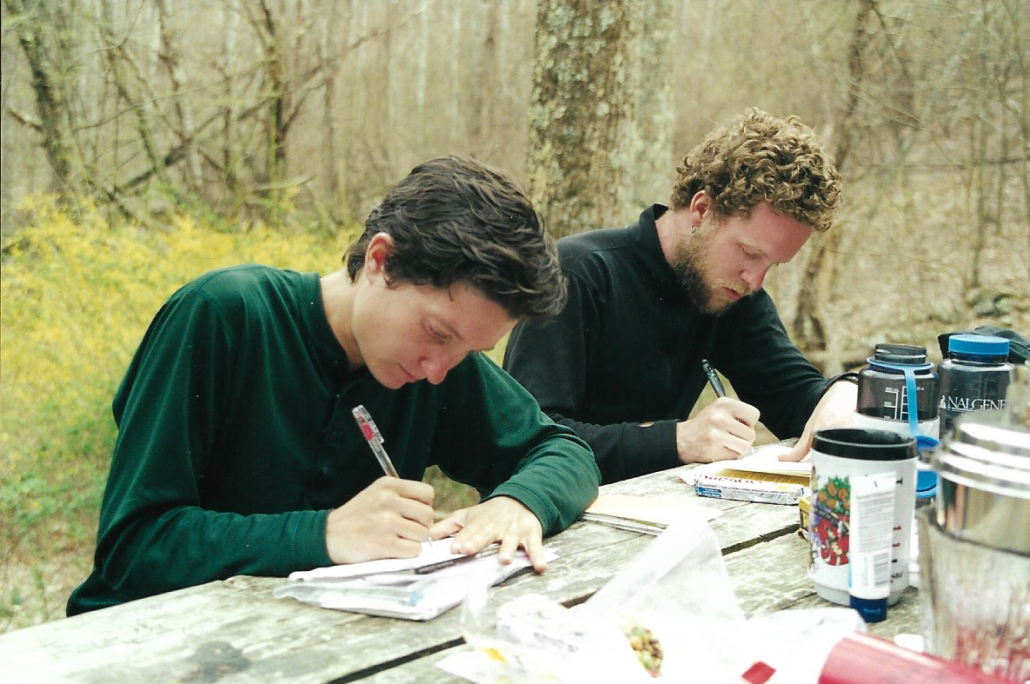
The thing that I have a hard time recalling is names and places. If you’re hiking you only see locations once. It’s easy to forget them and even easier to forget their names. Some people you see once like locations, others you might see for a few days or months. The result is you’ll remember some but not all of the people you meet.
Make a conscious effort to document the people you meet and also the places you saw/visited. There are trail angels who opened their homes to me, and I can’t remember their names. Not only will adding names add depth to your journal, they will help your recall long lost stories for years to come.
WHAT: Describe Your Day in Detail
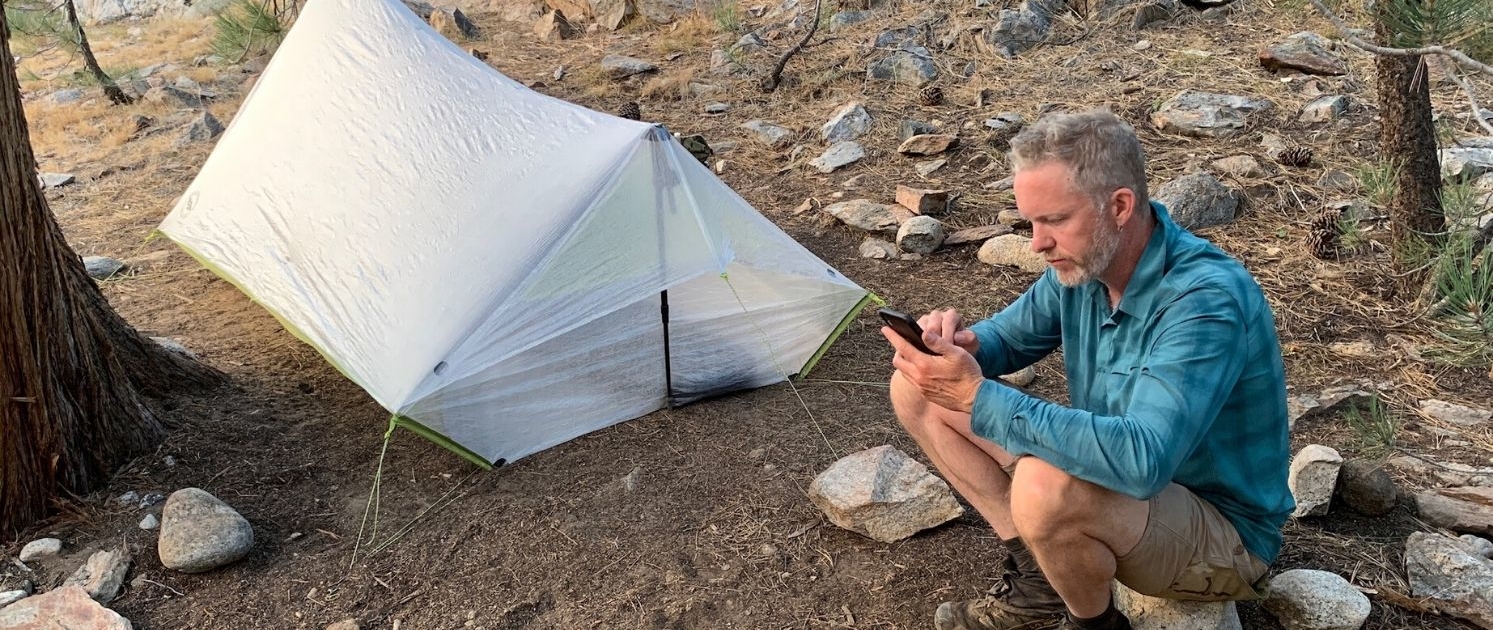
“What” is the meat of your entry. What did you see, what did you do, what was the landscape like, what was the weather, what were your thoughts, and so on. The more detail you can put in your journal the better it will be.
There are many ways to tell your story with good journal writing. You can write a blow by blow chronological description of your day, or a scant and brief recap, or something in between. Whatever you do make it work for you. But make sure that whatever you do writ enough so in 10 or 20 years it can bring you back.
WHEN: Include the Date
When is one of the most important items you can included in your journal entries. As we mentioned above it adds consistency but it also lets you search by the date to find a certain time during your adventure.
WHERE: Include Locations
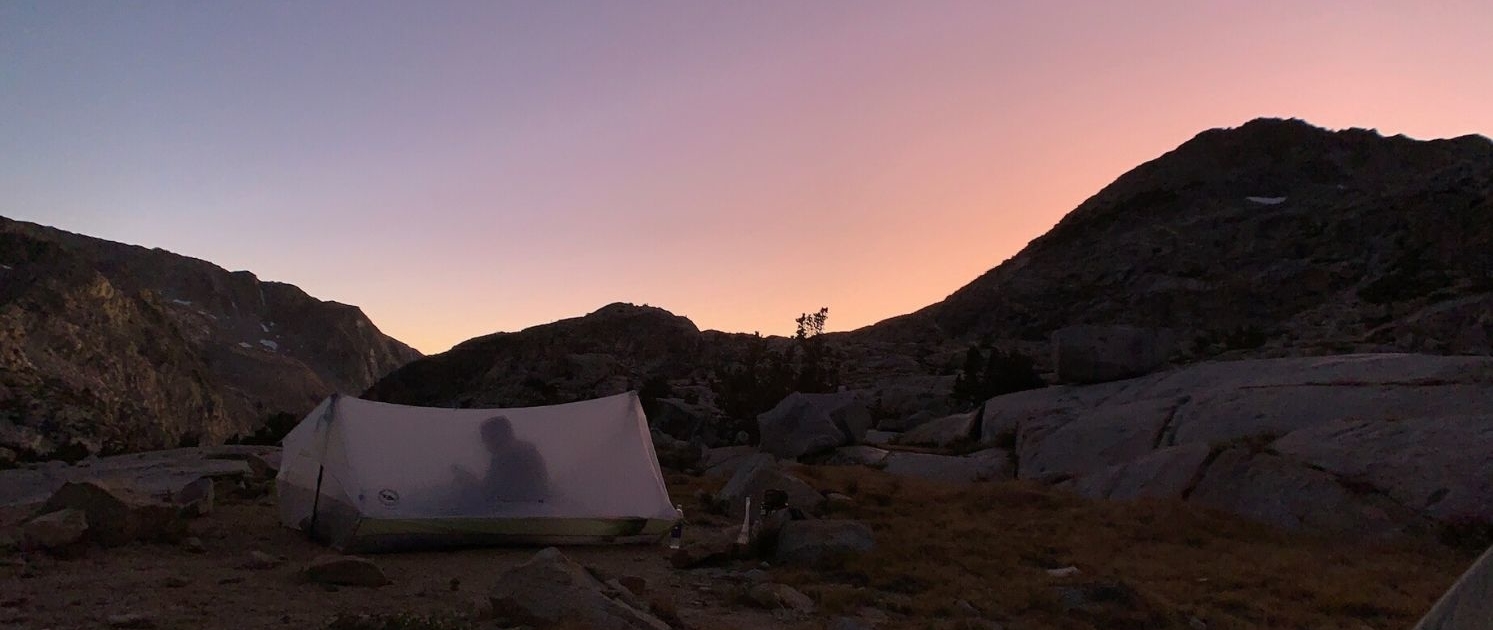
If you use a structured header like suggested at the beginning of this article then, you already have your starting and ending points. Use your maps, or the Guthook app, to include the places you saw and hiked through. Things like names of Wilderness areas, National Forests, rivers, trail names, passes, and lakes.
Including “Where” in your journal will not only add colorful descriptions to your journal but also help paint a picture for the reader of where you were during your hike or bike ride.
Why: Give insight
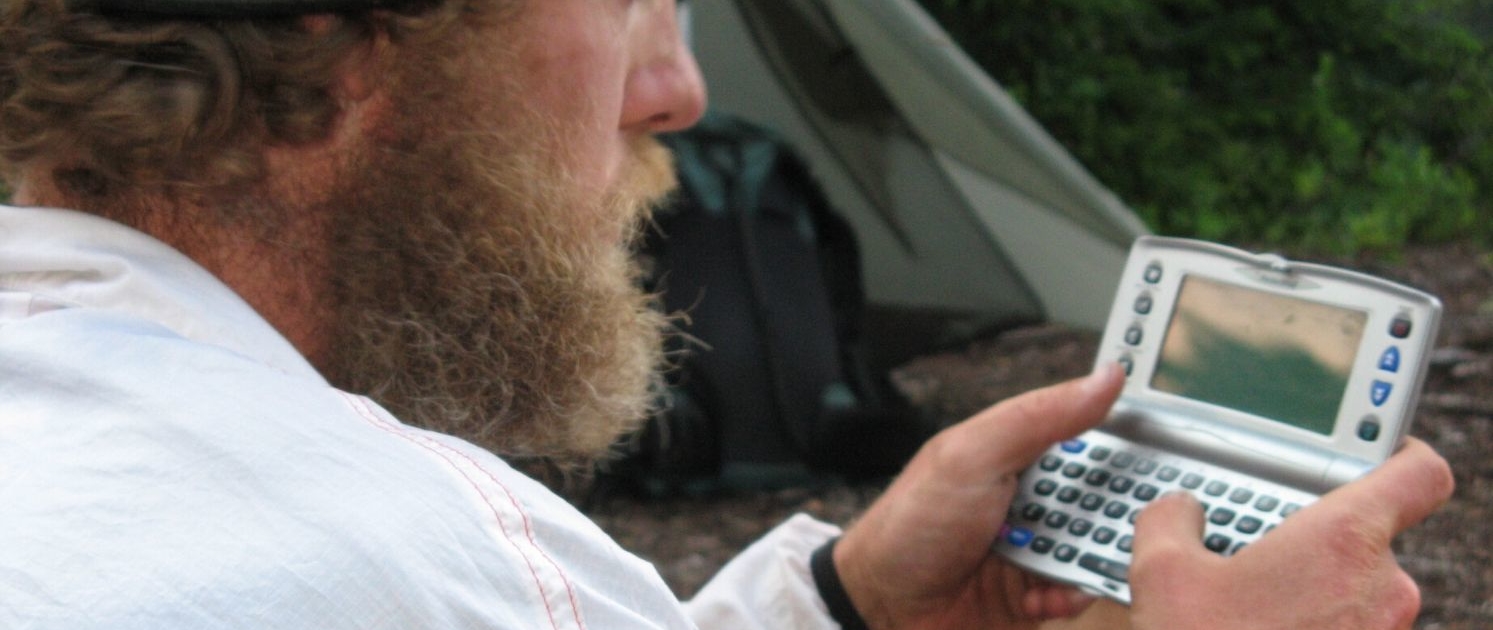
The “Why” of an adventure is personal and it’s up to you whether you want to discuss it in your journal. If you do add it, it possibly will help the reader understand you better and help them see the trip more through your eyes rather than their own.
Read these next or checkout the main resource page.
 https://oneofsevenproject.com/wp-content/uploads/2020/04/rsz_1untitled_design_83.jpg
857
1493
Craig Fowler
http://oneofsevenproject.com/wp-content/uploads/2017/01/1of7-logo-lockup-grey-1132x212-300x56.png
Craig Fowler2020-04-21 12:02:372024-06-20 09:17:19How to Pick the Perfect Campsite
https://oneofsevenproject.com/wp-content/uploads/2020/04/rsz_1untitled_design_83.jpg
857
1493
Craig Fowler
http://oneofsevenproject.com/wp-content/uploads/2017/01/1of7-logo-lockup-grey-1132x212-300x56.png
Craig Fowler2020-04-21 12:02:372024-06-20 09:17:19How to Pick the Perfect Campsite https://oneofsevenproject.com/wp-content/uploads/2019/12/LC4-23.jpg
857
1493
Craig Fowler
http://oneofsevenproject.com/wp-content/uploads/2017/01/1of7-logo-lockup-grey-1132x212-300x56.png
Craig Fowler2019-12-28 18:36:142024-06-20 13:20:24Top 5 Reasons Thru-Hikers Quit
https://oneofsevenproject.com/wp-content/uploads/2019/12/LC4-23.jpg
857
1493
Craig Fowler
http://oneofsevenproject.com/wp-content/uploads/2017/01/1of7-logo-lockup-grey-1132x212-300x56.png
Craig Fowler2019-12-28 18:36:142024-06-20 13:20:24Top 5 Reasons Thru-Hikers Quit https://oneofsevenproject.com/wp-content/uploads/2019/07/2019-2020-BIKEPACKING-CALENDAR-2.png
890
1335
Craig Fowler
http://oneofsevenproject.com/wp-content/uploads/2017/01/1of7-logo-lockup-grey-1132x212-300x56.png
Craig Fowler2019-07-02 12:41:322024-06-20 13:21:18Shakedown Hike
https://oneofsevenproject.com/wp-content/uploads/2019/07/2019-2020-BIKEPACKING-CALENDAR-2.png
890
1335
Craig Fowler
http://oneofsevenproject.com/wp-content/uploads/2017/01/1of7-logo-lockup-grey-1132x212-300x56.png
Craig Fowler2019-07-02 12:41:322024-06-20 13:21:18Shakedown Hike https://oneofsevenproject.com/wp-content/uploads/2019/02/Untitled-design-32-2.jpg
857
1493
Craig Fowler
http://oneofsevenproject.com/wp-content/uploads/2017/01/1of7-logo-lockup-grey-1132x212-300x56.png
Craig Fowler2019-02-10 16:18:032024-06-20 13:22:06Most Common Mistakes Thru-hikers Make
https://oneofsevenproject.com/wp-content/uploads/2019/02/Untitled-design-32-2.jpg
857
1493
Craig Fowler
http://oneofsevenproject.com/wp-content/uploads/2017/01/1of7-logo-lockup-grey-1132x212-300x56.png
Craig Fowler2019-02-10 16:18:032024-06-20 13:22:06Most Common Mistakes Thru-hikers Make https://oneofsevenproject.com/wp-content/uploads/2019/01/Untitled-design-49.jpg
857
1493
Craig Fowler
http://oneofsevenproject.com/wp-content/uploads/2017/01/1of7-logo-lockup-grey-1132x212-300x56.png
Craig Fowler2019-01-04 19:25:492024-06-20 13:22:49Mental Side to Going Ultralight
https://oneofsevenproject.com/wp-content/uploads/2019/01/Untitled-design-49.jpg
857
1493
Craig Fowler
http://oneofsevenproject.com/wp-content/uploads/2017/01/1of7-logo-lockup-grey-1132x212-300x56.png
Craig Fowler2019-01-04 19:25:492024-06-20 13:22:49Mental Side to Going Ultralight https://oneofsevenproject.com/wp-content/uploads/2012/06/Untitled-design-47.jpg
857
1493
Craig Fowler
http://oneofsevenproject.com/wp-content/uploads/2017/01/1of7-logo-lockup-grey-1132x212-300x56.png
Craig Fowler2012-06-07 18:34:512024-06-20 13:23:42Cutting Pack Weight
https://oneofsevenproject.com/wp-content/uploads/2012/06/Untitled-design-47.jpg
857
1493
Craig Fowler
http://oneofsevenproject.com/wp-content/uploads/2017/01/1of7-logo-lockup-grey-1132x212-300x56.png
Craig Fowler2012-06-07 18:34:512024-06-20 13:23:42Cutting Pack Weight





Simply clicking on the links below with our affiliates supports the Project.
Or checkout our Deals page to save big!