How to Pick the Perfect Campsite

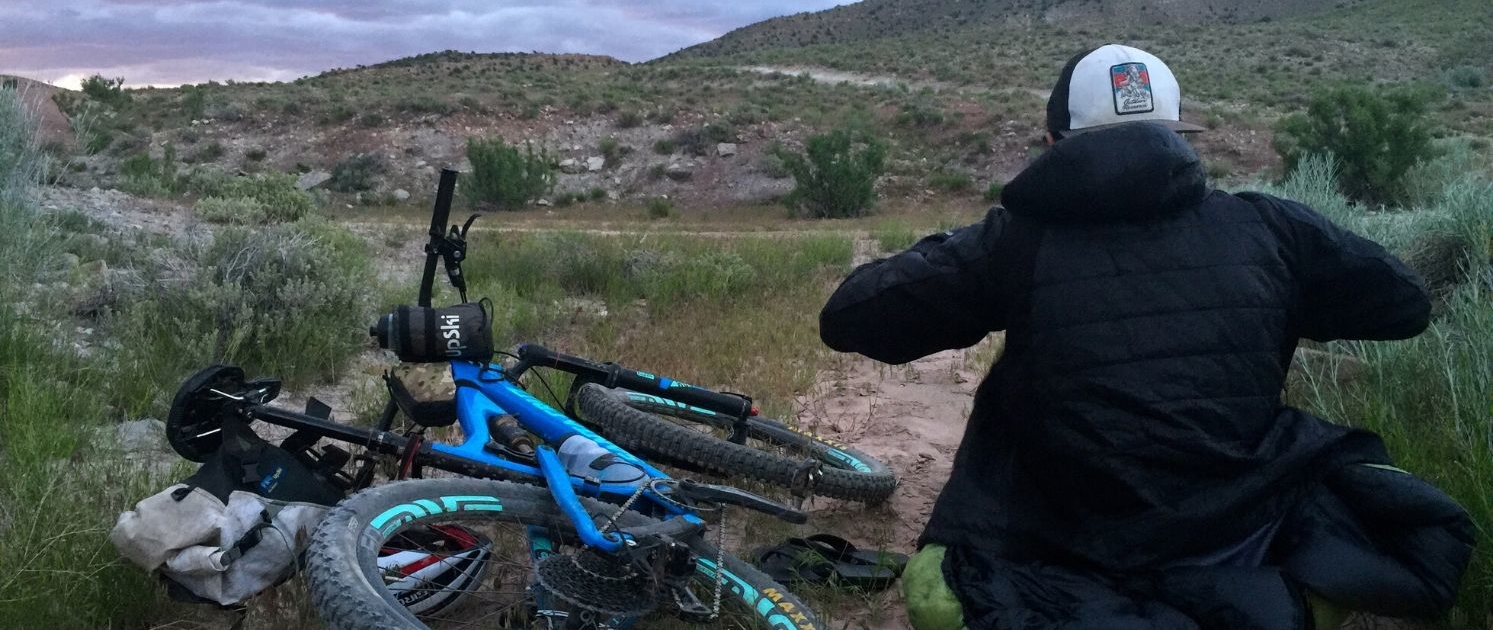
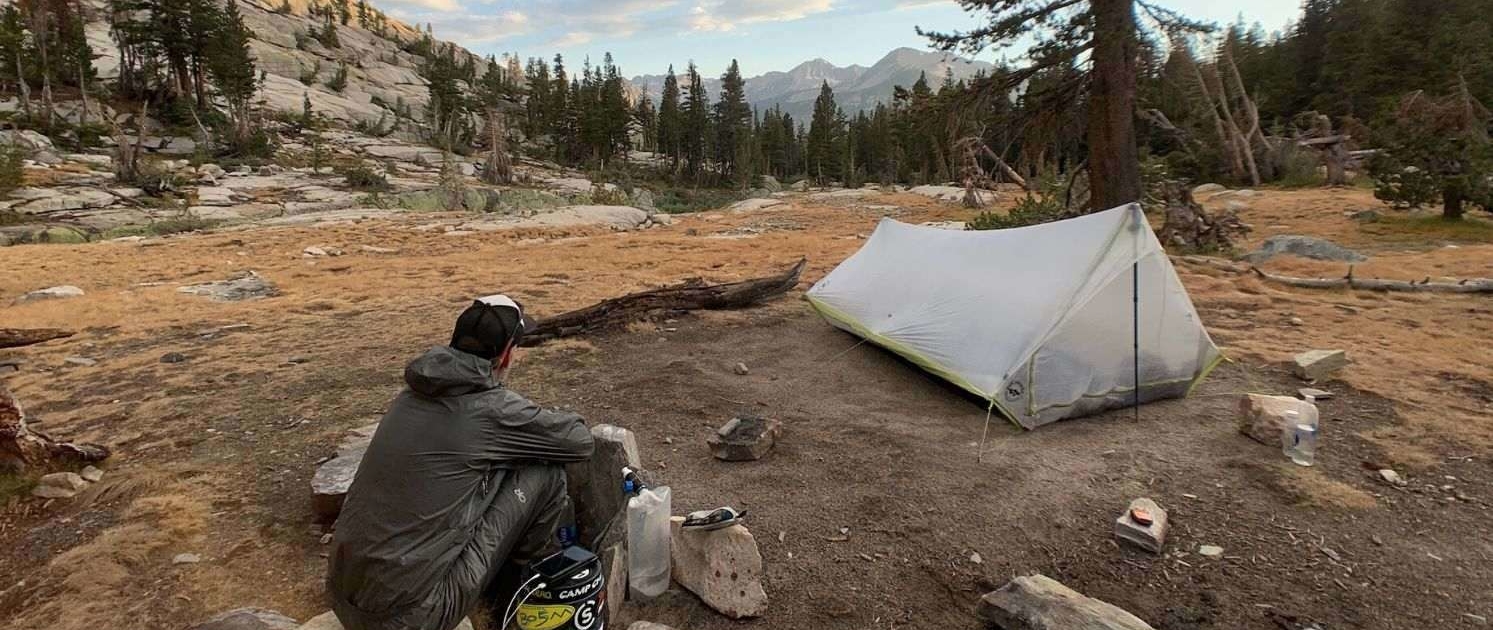
The dreaded bad campsite!  We’ve all done it at least once if not more when hiking or bikepacking.  I’m not talking about picking the one noisy spot in an established campground but rather the super buggy; un-flat, too hard, too windy; and the list goes on spot in the middle of the back country that looked so good when you first got there. The following How to Pick the Perfect Campsite article, looks at ways to avoid bad nights in camp.

It’s easy at the end of the day to just settle for the first potential spot that comes along. You’re tired or hungry, maybe both. All you want to do is eat and go to sleep so you can be fresh for the next day. Putting in a little effort to find a good camp spot can be the difference between being fresh or tired when you wake up.

Campsites and how we pick them and what our standards are for picking them are as personal as any of the gear we carry. This article is meant to be a helping guide to getting the most out your camp experience, nothing more.

As an affiliate partner, One of Seven Project earns a commission for purchases made through any product, brand logo links, or banner ads on this page. Thanks for your support!

Save big and support The Project at the same time! Check out our Affiliate Deals page for exclusive offers on top brands. Every purchase fuels our mission to provide you with the best guides and resources for your adventures. Bookmark it now and shop smarter—deals update regularly!

Universal Guidelines

There are some universal guidelines and considerations that apply to all campsites no matter where they might be. Be sure to address or consider them when choosing your campsite. Below is a list of some things to consider:

  • Dry or wet camping: Determine if you’ll be dry camping or wet camping before selecting a site.
  • Protection from elements: Ensure your campsite offers adequate protection from the elements.
  • Animal and bug potential: Assess the likelihood of encountering animals and bugs in the area.
  • Distance from water sources: Verify that your camp is at least 200 feet from any water sources.
  • Proximity to others: Consider how close your campsite is to other campers.
  • Distance to next goal: Ensure your camp is close enough to your next destination or goal.
  • Soil conditions: Check the soil type to ensure it’s suitable for staking your tent.
  • Contact local land management: Reach out to the local land management agency for camping regulations and permit requirements.
  • Know poison ivy and oak: Familiarize yourself with what poison ivy and oak look like to avoid them.
  • Fire regulations: Be aware of fire regulations and ensure your fire is fully extinguished.
  • Tent size: Measure your tent size with your feet to ensure it fits in the chosen campsite.

Location, Location, Location

Location is probably the number one thing to consider when pitching your tent for the night. There are many factors to consider when selecting a location. Some may or may not effect everyone and others are a must. Checkout the list below to help yourself pick the perfect campsite.

  • Distance from water: Always camp at least 200 feet away from water sources.
  • Respect for other campers: Give ample space to others or ask if they mind sharing the area.
  • Water supply: If dry camping, ensure you have enough water to reach the next source.
  • Miles and proximity: Check if you’ve covered enough miles and if you’re close to your next destination.
  • Elevation change: Consider your campsite’s placement; avoid camping at the base of a large climb after a long day.
  • Cold air movement: Cold air moves down areas with water, like rivers and streams.
  • Wind patterns: Wind typically blows up mountains during the day and down at night.
  • Cold air settling: Be aware that cold air settles in low areas like meadows or canyons.
  • Ideal campsite elevation: Choose sites with some elevation, avoiding depressions.
  • Sun exposure: Utilize the sun for warmth in the evening or drying your tent in the morning.
  • Valleys: Be cautious as valleys can be wet, cold, and foggy.
  • Lightning protection: Thick stands of trees in low areas, away from water, provide good protection from lightning.
  • Check for flatness: Lay out your Tyvek to test for flatness before setting up your tent.

Different landscapes require you to look at different factors.  Let’s take a look at some of the different types of landscapes:

Desert Camping

Things to think about:

  • Water: Know where it is; consider if you’ll be dry camping or wet camping.
  • Ants and other insects: Look for signs of ants or critters that could disturb your sleep.
  • Proximity to bushes and shrubs: Avoid sleeping close to these areas as they can shelter mice and snakes.
  • Sand and lack of rocks/logs: Ensure you can securely stake your tent in loose, sandy soil.
  • Exposure and weather: Be aware of wind, potential flash floods, and lightning risk in your area.
  • Endangered plant life or animals: Be mindful of protected species and avoid camping too close to fragile ecosystems.

The first thing you must think about when selecting a desert campsite is water. Will you be dry camping or wet camping? Dry camping is when you don’t sleep near a water source, while wet camping you do (sometimes it can refer to having or not having water with you to cook with). If you dry camp you must be sure to do the math on how much water you’ll need for dinner, clean up, breakfast and to get you to the next water source safely.

The next thing to think about with desert camping is critters.  Just like in the woods there are plenty of little or big things that can make your night’s sleep unpleasant. When scoping out your camp, look for ants or signs of them. A lot of hikers sleep on the ground without a tent in the desert. Thru-hikers call this “Cowboy Camping”. You don’t want to wake up covered in ants.

Also look for animal tracks in the sand or holes in the ground that might suggest burrowing critters. The desert is a harsh place and most of its creatures take shelter in whatever they can. Keeping this in mind don’t ever sleep too close to bushes, rotten logs, or rocks. They are great places for critters to take shelter.

One night on the PCT I had a field mouse that would run out of the safety of the bush next to my head and run over me and across my Tyvek, then back to his bush. I beat the ground around me with my hiking pole but he kept coming back. I finally had to move away from the bushes to a distance that the mouse felt was too risky to venture out too.

If you don’t have a free standing tent you have to keep in mind that your tent stakes might not work. The desert soil can be very loose and sandy, making the use of stakes impossible. Rocks and larger logs can be used instead of stakes but can be hard to find. If you can’t find either of these you can use stuff sacks filled with sand. Keep this in mind and look for areas with firmer soil or rocks close by, if not you may end up Cowboy Camping when you don’t want to.

Sandy areas are also terrible if the wind picks up during the night. I got sand blasted more than once on the PCT.  On the other hand desert soil can be extremely hard from being baked by the sun. Choose wisely.

One last thing to think about is the exposure of an area. Is it windy? Is there potential for weather? Are you in a low area that could be subject to flash floods? Are you up high where lightening could be an issue? Keep your eye on the landscape and the weather conditions as the wrong combination of these can change the characteristics of any camp spot in an instant.  Valleys are cooler at night but could be much colder in the morning.

As an affiliate partner, One of Seven Project earns a commission for purchases made through any product, brand logo links, or banner ads on this page. Thanks for your support!

Woods Camping

Things to think about:

  • Trees (dead or leaning): Avoid setting up camp near dead trees or limbs that could fall.
  • Water runoff: Be aware of slopes; dig a small channel to divert rainwater away from your tent (be sure to restore area before you leave).
  • Bugs and other insects: Mosquitoes thrive near standing water; camp in breezy areas to avoid them.
  • Vegetation: Dense vegetation can attract wildlife; be cautious of where you camp.
  • Animals (bears and others): Avoid camping where you eat to reduce the risk of animal encounters.

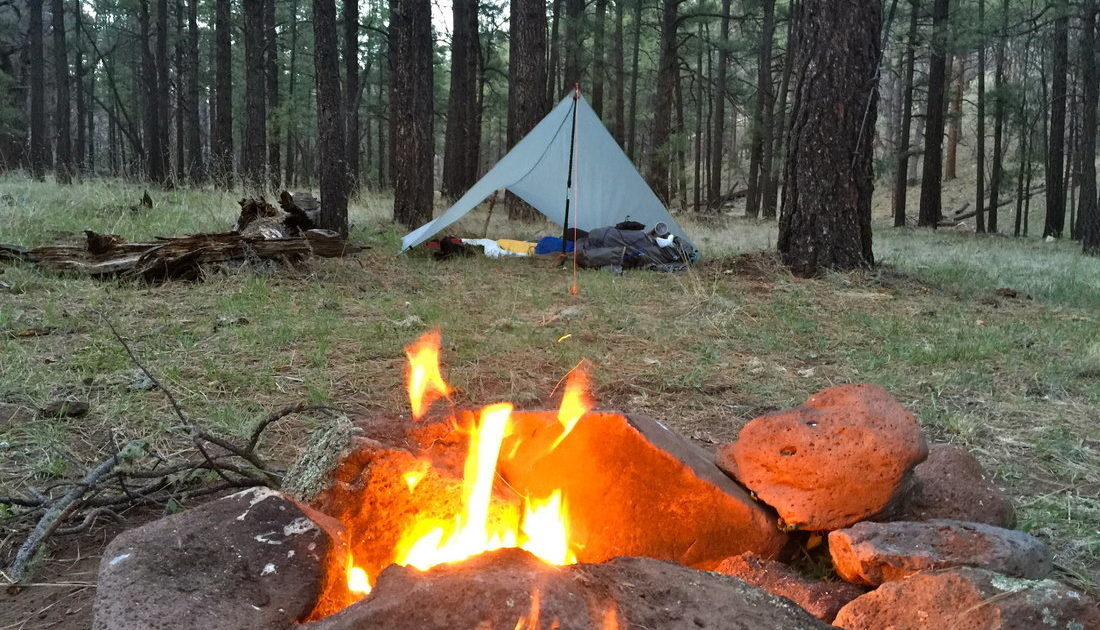
Like desert camping you can dry camp or wet camp while in wooded areas. Account for either and plan accordingly. Don’t assume that since you’re in the woods/mountains water will be flowing all year. Springs can dry up and snow run off varies from year to year and it’s never the same.

Wooded areas contain a hidden danger that is commonly overlooked when considering a campsite. Dead trees or limbs are a potential hazard to consider when setting up one’s tent or bedroll. Try to avoid areas with large amounts of dead or dying trees (beetle kill or old burn areas for example).

Another thing to look for is signs of water runoff. I’ve set up camp to have it start raining hard and shortly after, water was flowing under my tarp. If you’re camped next to a slope or hill, remember the water is going to run downhill. Dig a small channel if you think it’s going to rain and protect you and your tent.

In the mountains you have lakes, ponds, streams and standing water.  These all mean one thing, mosquitoes. The best way to avoid them is to be up high where there’s a breeze or away from standing or slow moving water sources. Remember though, being up high you’re more exposed to the weather. Avoid low areas with a lot of standing water or marshland. These areas breed mosquitoes.

Woodlands tend to have more animals since there’s more food/water for them. You’ll have mice like the desert but you’ll also have dozens of others like bears, badgers, mountain lions, squirrels, marmots, pika, deer, elk, moose and the list goes on.

To help avoid animal encounters try not to camp where you eat.  You’ll eliminate a lot of animal issues by doing so. Like with desert camping the same rules apply, look for signs and holes in the ground. If you see a bear or other animal you think might be an issue, push on to put some distances between you and it.

Single wall tents and sometimes regular double wall tents are subject to condensation. A good way to limit condensation is to camp under the cover of trees. Condensation forms on the trees and not your tent. Just don’t forget about dead trees and limbs.

Pro-Tip

Eat in a bug free area then move on. When it is time to camp you can be less picky about bugs, as all you’ll be doing is setting up and climbing into your tent. 

Above Tree line/Ridge Camping

Things to think about:

  • Exposure: Be aware of increased exposure to elements, especially wind and lightning, at higher elevations.
  • Weather: Know the forecast before camping high; conditions can change rapidly.
  • Limited space: Finding suitable campsites above treeline can be challenging, especially for groups.
  • Elevation and temperature: For every 1,000 feet gained, the temperature generally drops 5.4°F in sunny conditions.
  • Vegetation sensitivity: Higher elevations have fragile vegetation; camp only on designated sites or already exposed soil to minimize damage.

Once again you’ll have to consider whether to dry or wet camp. If you dry camp and have to carry all your water with you, remember it’s all up hill.

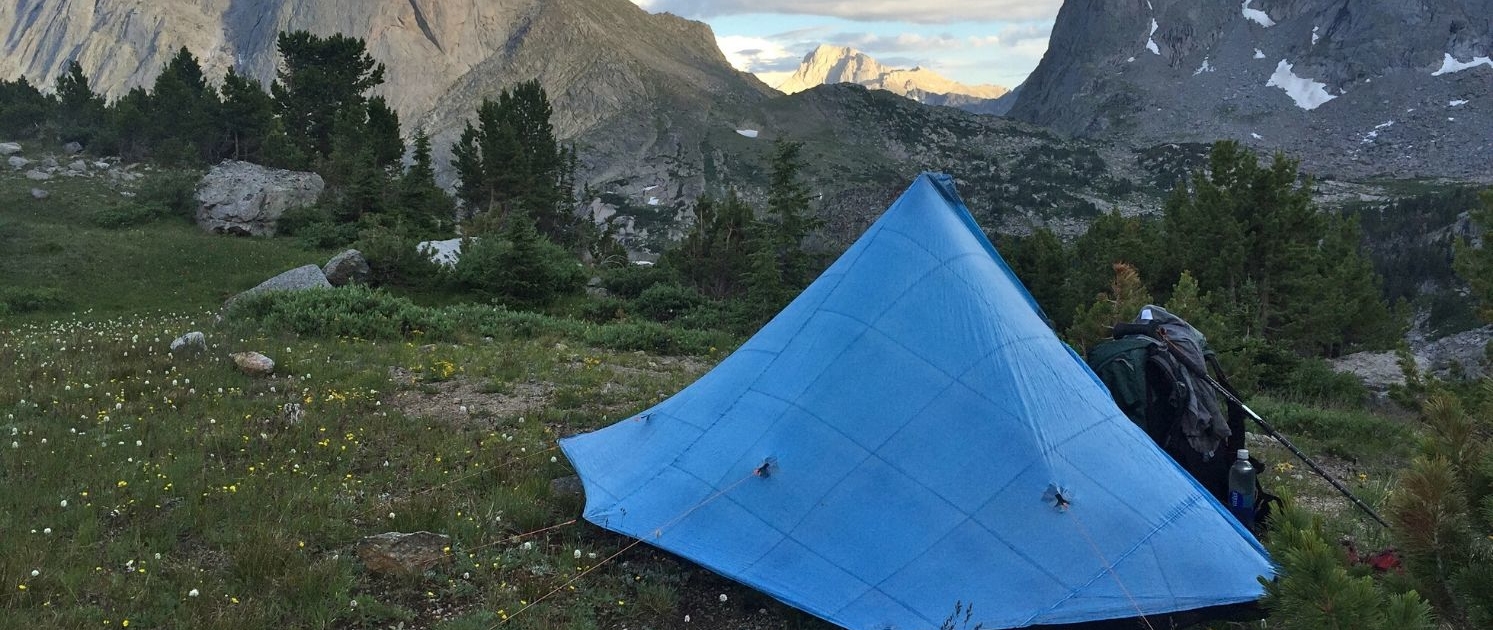
The biggest issue with camping up high is exposure to the elements, with the most common being wind. With elevation you also have a higher chance of lightning. You want to be sure of the forecast before making the decision to camp up high. If your route is going to have above treeline areas or elevation, be sure to know proper lightning safety.

The higher you go the colder it will be. For every 1000′ gained in elevation, the temperature generally drops 5.4 F degrees in sunny conditions.

One would assume campsites above treeline should be easier to find but this isn’t always the case. Finding ones with ample protection or without rocks can be tricky. Ridge lines can be even more limiting. If you’re alone it’s probably less of an issue but being out with a group could get downright impossible to find a spot to camp together.

As good spaces can be limited above treeline or on ridge lines, this is where knowing your tents overall footprint size comes in very handy. Don’t guess, know your tent will fit.

A very important thing to consider when camping above treeline is vegetation. The higher you go, the more sensitive the vegetation is. This vegetation has a very short growing season, which means it’s very important not to damage it. You might be tempted to camp anyplace you want but try your best to only camp in designated sites or on already exposed soil. Avoid camping on tundra or other vegetation at all costs.

Camping above treeline does offer amazing sunsets and sunrises but don’t forget about the drawbacks and potential for damage and exposure. Knowing what they can be will help you avoid them or prepare you to deal with them.

Urban Settings

If you’ve been on the trail or road for a while, staying in town can be a shock to the system. When you’ve been on the go for a while, a good night’s rest is key to continuing. Sleeping in town can disrupt one’s normal sleep cycle. Learning how to pick the perfect campsite in urban settings, means learning a new set of factors and red flags to look out for. Below are some Urban Red Flags to watch out for.

  • Train tracks: Trains typically come through in the middle of the night.
  • Campgrounds with a large amount of RVs: May have noisy generators.
  • Businesses with high volumes of traffic: Can lead to increased noise levels.
  • Staying in town: More people result in more noise.
  • Trailheads: Often serve as party spots.
  • Airports, stadiums, and fairgrounds: Generate lots of people and noise.

Red Flags

The first and most important thing is, don’t let the scenery blind you from the red flags. There’s no point in having a great view for the last few hours of the day if you spend the whole night in discomfort.

Below is a list of other Red Flags to avoid, to ensure a good time in camp.

  • Camping too close to water sources: Risk of flooding and contamination.
  • Sensitive areas: Avoid damaging fragile ecosystems.
  • Fields: They may appear flat but can be lumpy and very damp.
  • Meadows and fields: Home to ticks and chiggers.
  • Marshy places, standing water, and tall grasses: Breeding areas for mosquitoes.
  • Rocky areas and ledges: Potential homes for snakes.
  • Avalanche and rock slide areas: Avoid these for safety.
  • Cliffs or ledges: Be cautious of loose rocks.
  • Canyons and dry creek beds: Prone to flash floods; be aware of the high-water mark.
  • Leaning trees or dead limbs: Refrain from setting up camp under them as they can fall.
  • Campsites with lots of trash: Can indicate a party spot, which may attract unwanted attention.

Conclusion

As mentioned at the beginning of this article, how and where someone decides to camp is a personal choice. Some people are not picky then there’s ones like me who are very picky (Think of Goldilocks and the Three Bears. I’m Goldilocks). Which ever you are, they’re some common guidelines that everyone should follow.

Location is key whether you’re camping in the desert, woods or above treeline. Knowing what to look for and what to avoid in a campsite can eliminate almost all factors that might lead to a poor one.

Hopefully this How to Pick the Perfect Campsite, article gave you insight to what those guidelines are and also gave you other considerations to think about for your next overnight trip in the backcountry or in urban settings.

Excuse the pun, but at the end of the day, it comes down to making decisions that best fit your needs. Just make sure those decisions are within safe camping regulations and don’t put you or those with you at risk. Now shut off your computer and go outside!
What’s new!

Checkout our BIKEPACKING and HIKING resource pages for more planning help.